Do you wake up feeling as though your neck is stuck? Maybe the first few minutes of every morning go toward massaging away knots or trying to relieve a headache. You’re not alone: neck pain has become a burden shared by millions across Pakistan. At work, office chairs and poor posture often get the blame. At night, though, the problem may be your neck pillow. If it does not support your head properly, you may not only lose sleep but also put unnecessary strain on your cervical spine, causing further discomfort. This guide explains why investing in a cervical pillow could be one of the most essential investments for long-term health and how to find one suited to you individually.
Understanding the Importance of the Cervical Curve
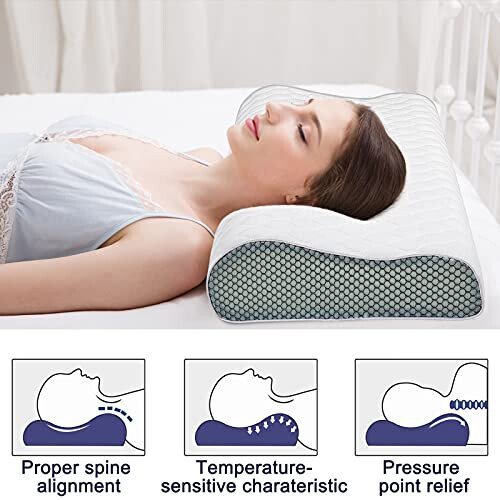
Your neck has a natural C-shaped curve called cervical lordosis. While you are standing, your muscles help support it. Once you lie down, gravity changes the situation. A standard flat pillow may not support the curve properly, letting your head fall forward, backward, or to one side. Over the night, that strain can create micro-trauma in the neck muscles. A well-designed cervical pillow addresses the gap with a raised bolster beneath the neck, helping the cervical curve stay in its natural position as you sleep. It is not only a matter of comfort; it also concerns the structural health of your spine during sleep.
Read More: Do Neck Support Pillows Really Work?
Why Your Standard Support is Failing You
Consider the neck pillow beneath your head right now. Does it go flat within minutes of lying down? If getting comfortable requires fluffing, folding, or bunching it up, that is a clear indication it is not doing its job. Standard, unstructured pillows are made to provide general softness, not for biomechanical support. A dedicated cervical pillow takes a different approach, with an emphasis on ergonomics. By keeping your head, neck, and shoulders in neutral alignment, it stops the muscles from having to “work” to hold your head in position while you are meant to be in deep, restorative REM sleep.
How to Identify the Right Design
Choosing the right support isn’t one-size-fits-all. When shopping for a new cervical pillow, consider these critical features:
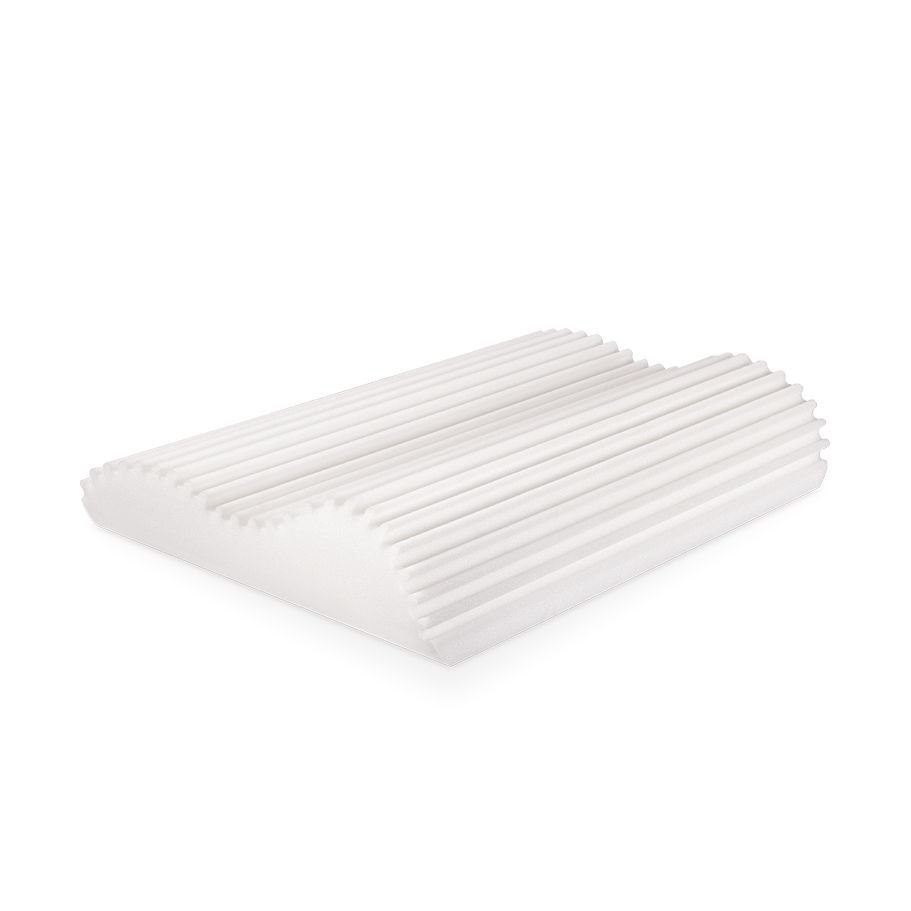
- The Shape: Choose a contoured design that raises the neck while leaving a lower, hollowed-out space for the back of the head. This two-part approach is considered the gold standard for support.
- Material density: Memory foam is often the preferred option because it reacts to body heat and molds to your individual shape. The result is a mix of firm structural support and cushioning softness.
- The Loft (Height): Loft matters a great deal. Side sleepers generally need a higher neck pillow to fill the gap between the shoulder and ear, while back sleepers need a lower loft so the head stays level with the rest of the spine.
- Breathability: Since your face will rest against the neck pillow for hours, choose a cover made from breathable, skin-friendly material to help you stay cool on warm Pakistani nights.
Matching Your Pillow to Your Sleeping Style
Your dominant sleeping position dictates what you need:
- For Side Sleepers: Choose a thicker neck pillow. Because your head and shoulder form a pronounced “V”-shaped gap, a firmer bolster with a higher profile can support your neck and keep your spine horizontally aligned.
- For Back Sleepers: Choose a gentle, moderate contour that supports the neck without letting the back of the head shift. Keeping the head stable helps stop it from falling to either side, a common cause of neck stiffness.
- For Stomach Sleepers: Sleeping this way can put considerable strain on the neck. If changing positions isn’t possible, choose a very thin, soft contoured cervical pillow to minimize the angle of your head tilt.
Maintenance Tips for Longevity
Once you find your perfect support, keep it in good condition:
- Use a Pillowcase: A clean, breathable case helps shield the material from sweat, oil, and dust.
- Rotate, Don’t Wash: Most high-quality contoured foam products should not be submerged in water. Spot-clean the surface instead, and wash the cover frequently.
- Give It Time: A contoured cervical pillow may feel a little unfamiliar during the first two or three nights. Your muscles need a brief “adjustment period” to adapt to the new, healthier alignment.
Give Your Neck the Support It Deserves
Your health begins with sleep. If morning stiffness has been part of your routine for months, it does not have to be dismissed as “just getting older” or simply the way you wake up. Switching to a well-designed cervical pillow is a small bedroom change, but it can help your body recover while you rest and bring major improvements to your productivity, mood, and comfort during the day. Invest in your health; your neck may thank you each morning.
Also Read: How Many Pillows For Sleep Apnea?
Frequently Asked Questions
Is a cervical pillow only for people with injuries?
No. It is an excellent preventive tool for anyone who wants to avoid developing chronic neck or shoulder pain.
Can it help with snoring?
Yes! By keeping your airway open and preventing the head from tilting in ways that constrict your throat, it can often help reduce snoring.
How long do they typically last?
A high-density foam product should keep its structural integrity for 2 to 4 years.
Will it work if I switch positions?
Many contoured designs are versatile enough to work for both side and back sleeping if you are a combination sleeper.