Are you suffering from sleep apnea? It is a common but often overlooked sleep disorder affecting millions worldwide. It causes repeated interruptions in breathing during sleep, leading to poor rest, daytime fatigue, and long-term health risks such as hypertension and heart disease. Many individuals with this disorder seek simple solutions to improve their sleep quality, and, surprisingly, pillows can play a crucial role. But how many pillows help with sleep apnea, and what types are most effective? Let’s explore some practical tips to help you sleep more safely and deeply.
What is Sleep Apnea? How Does it Impact Sleep?
Sleep apnea primarily comes in two forms: obstructive sleep apnea (OSA) and central sleep apnea (CSA). OSA is the more common type, where the airway collapses or becomes blocked during sleep. CSA occurs when the brain fails to signal the muscles to breathe. Both types lead to fragmented sleep, loud snoring, and insufficient oxygen intake.
While CPAP machines, dental devices, and lifestyle changes are standard treatments, positioning your head and neck properly can significantly reduce apnea episodes. This is where the number and type of pillows become critical.
How Pillow Count Influences Sleep Apnea?
The right pillow setup can help maintain an open airway, reduce snoring, and improve overall sleep quality. The general rule: one or two pillows are usually enough, but the choice depends on your sleeping position, pillow type, and personal comfort.
1. One Pillow: Minimalist Approach
For some individuals, a single firm pillow that supports the neck and head is sufficient. This setup works best for back sleepers who do not need excessive elevation. A well-chosen pillow can:
- Keep the neck in a neutral position
- Prevent the chin from dropping toward the chest
- Reduce airway obstruction
However, if the pillow is too soft or thin, it may worsen apnea symptoms.
2. Two Pillows: Elevation Strategy
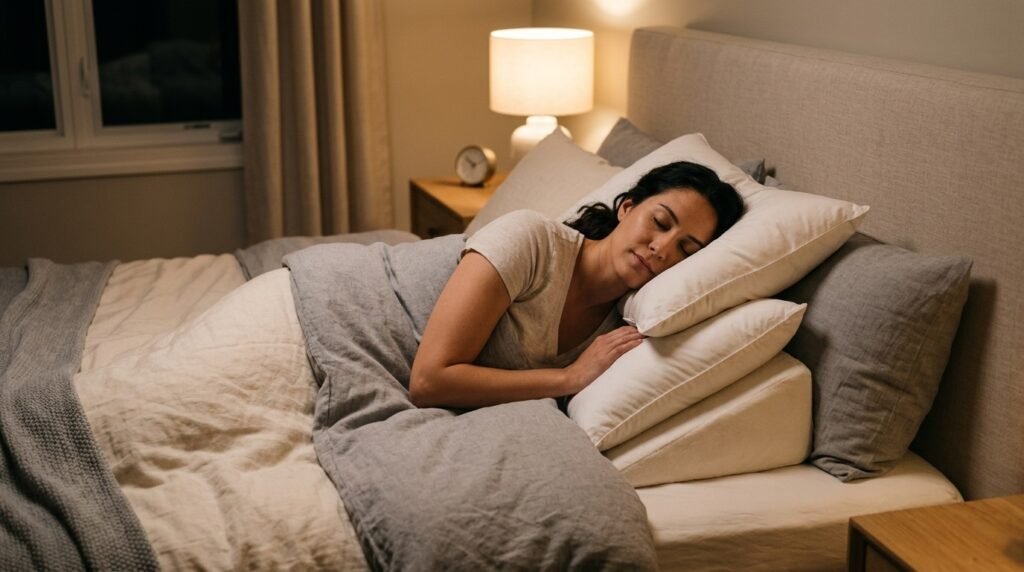
Many sleep apnea patients benefit from using two pillows. One pillow supports the head, while the second elevates the upper body slightly. This semi-upright position can:
- Reduce soft tissue collapse in the throat
- Improve airflow during sleep
- Minimize snoring
Medical studies suggest that elevating the head by 30 to 45 degrees can significantly reduce apnea episodes, making two pillows or an adjustable wedge pillow a practical choice.
3. Wedge or Specialized Sleep Apnea Pillows
Instead of stacking multiple pillows, many specialists recommend wedge pillows and orthopedic pillows. These are designed to elevate the head and upper torso safely. Benefits include:
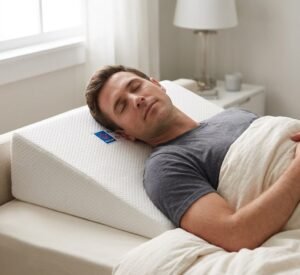
- Consistent elevation throughout the night
- Reduced risk of pillows slipping out of place
- Enhanced support for neck and spine alignment
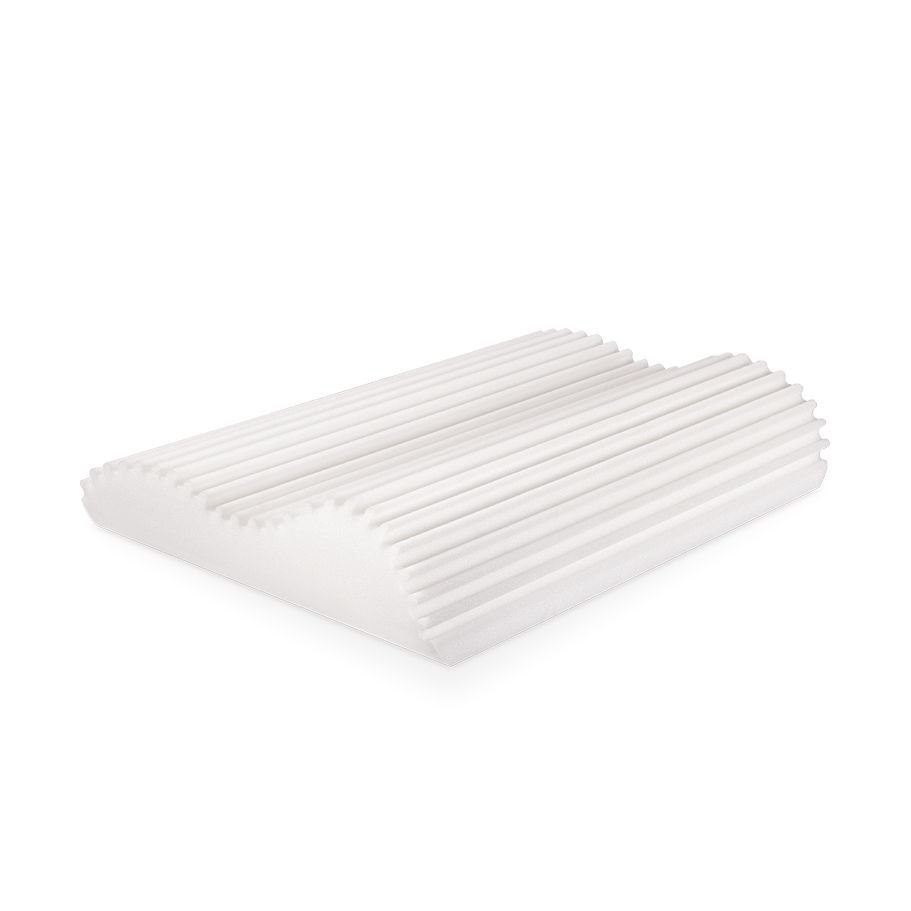
Memory foam pillows and contour pillows can also work, especially if they are shaped to prevent airway obstruction.
Also Read: Does Sleeping With More Pillows Help Reduce Acid Reflux?
Choosing the Right Pillow Material
Material matters as much as count. Popular options include:
- Memory Foam: Conforms to the head and neck, maintaining proper alignment.
- Latex: Provides firm, durable support while resisting allergens.
- Down or Feather: Soft and adjustable, but may compress too much for some patients.
- Hybrid/Contour: Specifically designed for sleep apnea with targeted neck support.
Tips for Safer, Deeper Sleep With Sleep Apnea
Beyond the number of pillows, consider these additional tips to optimize your sleep:
1. Sleep on Your Side
Side sleeping helps prevent the tongue and soft tissues from blocking the airway. Use a body pillow to maintain a side position comfortably. This can reduce apnea events compared to back sleeping.
2. Maintain a Healthy Sleep Environment
- Keep the bedroom cool (around 65°F or 18°C)
- Reduce allergens that can inflame the nasal passages
- Use blackout curtains and limit screen time before bed
3. Combine Pillow Elevation With Other Treatments
If you use a CPAP machine, pillows can be positioned to prevent pressure leaks. Similarly, dental devices or oral appliances work best when your head and neck are correctly aligned.
4. Test Pillow Height Gradually
Start with one pillow, then add another if needed. Monitor snoring frequency and apnea symptoms. Avoid over-elevation, which can strain the neck or disrupt spinal alignment.
5. Consider Lifestyle Adjustments
- Maintain a healthy weight
- Limit alcohol and sedatives before bedtime
- Keep a consistent sleep schedule
These changes, combined with the proper pillow strategy, can significantly improve sleep quality for apnea sufferers.
Conclusion: Enjoy Deeper Sleep!
While there is no one-size-fits-all answer, most sleep apnea patients benefit from one to two supportive pillows or a wedge pillow. The key is maintaining proper head and neck alignment, slightly elevating the upper body, and combining pillow use with healthy sleep habits. By experimenting with pillow types, counts, and positioning, you can significantly reduce apnea episodes, improve airflow, and enjoy safer, deeper sleep.
FAQs
- How many pillows should a back sleeper use for sleep apnea?
One firm pillow or a wedge pillow is often ideal. Avoid overstuffing, which can tilt the head forward and worsen airway obstruction.
- Can too many pillows make sleep apnea worse?
Yes, excessive elevation or soft stacking can bend the neck unnaturally, causing airway blockage and poor spinal alignment.
- Are wedge pillows better than regular pillows for sleep apnea?
Wedge pillows provide consistent elevation, support, and alignment, making them more effective than stacking traditional pillows.
- Is memory foam recommended for sleep apnea?
Memory foam can be excellent because it molds to your head and neck, keeping the airway open and reducing pressure points.