Have you ever woken up feeling like you’ve been in a wrestling match instead of a bed? If you’re battling morning stiffness, unexplained back aches, or a persistent “brain fog” despite an 8-hour sleep, the culprit isn’t your schedule; it’s your mattress.
In Pakistan, we often treat a mattress like a lifelong family heirloom. However, sleep science tells a different story. While a mattress is designed for durability, every sleep surface has a functional lifespan. Knowing when to upgrade is the difference between surviving your day and thriving in it.
Why Do Mattresses Actually “Expire”?
A mattress isn’t just a piece of furniture; it’s a high-performance support system. Over years of daily use, even the best materials undergo structural and hygienic changes:
- Mechanical Fatigue: The cells in the foam or the tension in the springs eventually lose their “rebound” capacity.
- Hygiene Accumulation: Over a decade, a mattress can double in weight due to dead skin cells, sweat, and dust mites, common triggers for asthma in humid cities like Karachi or Lahore.
- Support Loss: Once the core sags by even an inch, your spine no longer stays neutral, leading to chronic lower back pain.
The 2026 Lifespan Standard: How Long Do They Last?
Not all mattresses are created equal. The material dictates the expiration date. Here is the industry benchmark for replacement:
| Mattress Type | Average Lifespan | Why it Fails |
| Innerspring | 6 – 8 Years | Springs lose tension or become noisy. |
| Memory Foam | 8 – 10 Years | Foam softens too much, losing its “contour” ability. |
| Hybrid | 7 – 9 Years | A mix of spring fatigue and foam compression. |
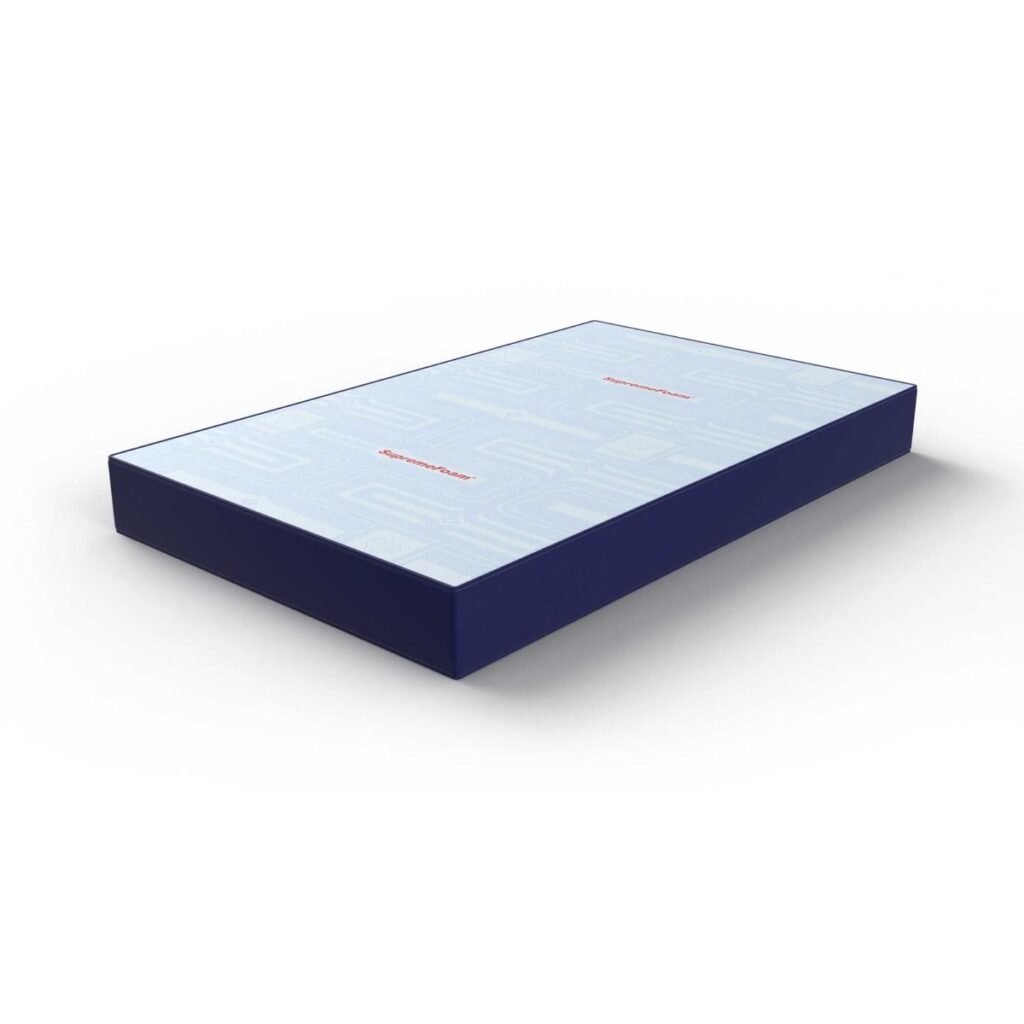
| Latex / High-Density Foam | 10 – 12 Years | These are the most durable; Diamond Supreme grade foams often hit the upper limit of this range. |
5 Red Flags: Is Your Mattress Hurting You?
Don’t wait for the 10-year mark if you notice these “Silent Killers” of sleep:
- The “Hammock” Effect: If you find yourself rolling toward the center of the bed, or there is a visible indentation where you sleep, your spinal support is gone.
- Morning “Stiffness”: If you feel better 30 minutes after waking up and moving around, your bed – not your age – is likely causing the pain.
- Allergy Flare-ups: Waking up with a stuffy nose or itchy eyes? Years of dust mite accumulation can turn your bed into an allergen hotspot.
- Transfer of Motion: If you feel every toss and turn of your partner, the internal layers have likely broken down.
- Visible Wear: Look for frayed edges or lumps. If the surface is uneven, your sleep will be too.
Pro-Tips to Extend Your Investment
While replacement is inevitable, you can protect your Diamond Supreme Foam investment with these simple habits:
- The 180-Degree Pivot: Rotate your mattress from head to foot every 3 months to ensure the pressure is distributed evenly across the foam cells.
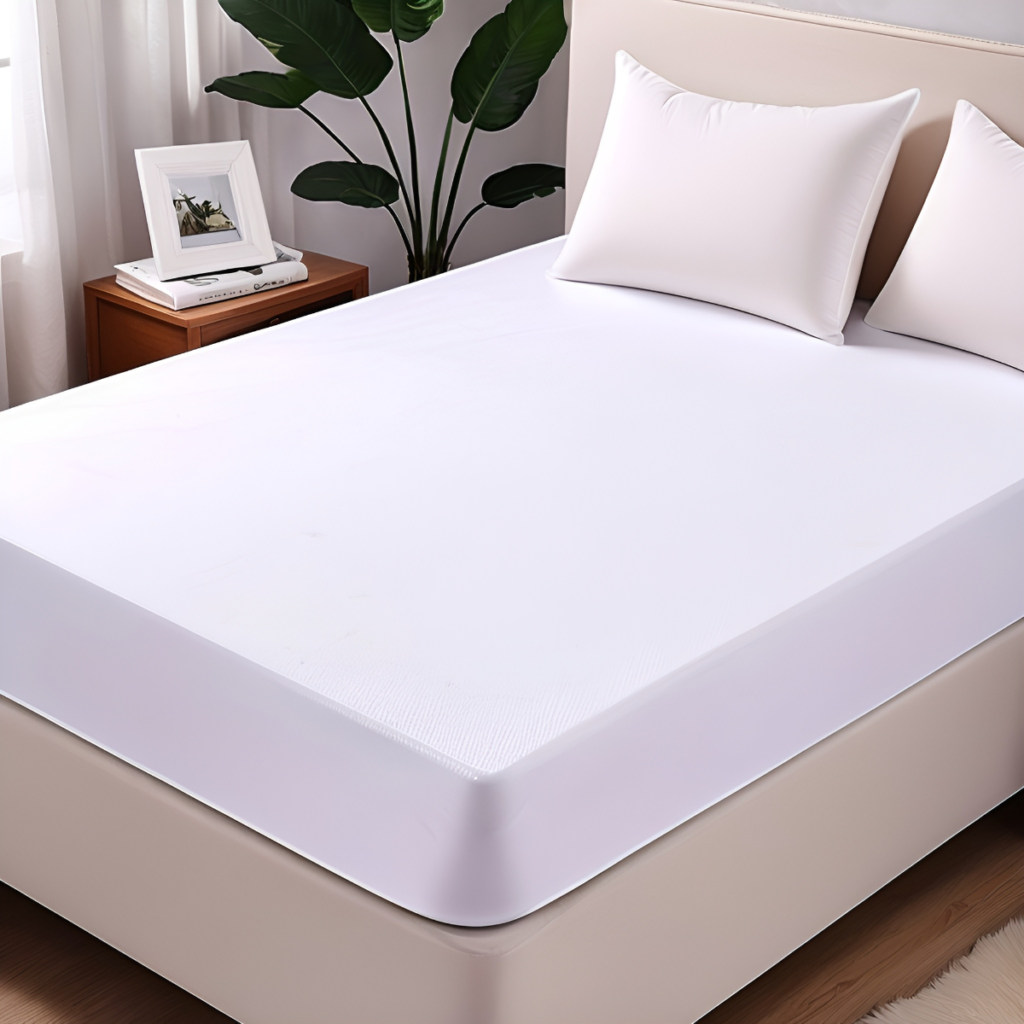
- Waterproof Protection: Use a high-quality protector. Moisture is the number one enemy of foam integrity.
- Foundational Support: Ensure your bed frame has enough slats. A sagging base will make even a brand new mattress sag prematurely.
The Expert Verdict: When to Buy?
The consensus among sleep specialists is clear: Replace your mattress every 7 to 10 years.
However, your body is the ultimate judge. If you are no longer waking up refreshed, it is time to look at a replacement. Upgrading to a specialized orthopaedic or high-density foam from a trusted brand like Diamond Supreme Foam, Molty Foam, or Five Star isn’t just a purchase; in fact, it’s a health intervention.
Frequently Asked Questions (FAQs)
1. Can I just add a topper to an old mattress?
A topper adds comfort to a mattress that is too firm, but it cannot fix a sagging mattress. If the base layer is compromised, the mattress topper will simply follow the curve of the sag.
2. Is a firm mattress always better for back pain?
Not necessarily. While back sleepers need firmness, side sleepers require a medium-soft feel to cushion the shoulders and hips. The goal is “Neutral Alignment,” not “Hardness.”
3. How do I dispose of my old mattress in Pakistan?
Many retailers offer exchange programs, or you can contact local recycling centers. Never keep an old, unhygienic mattress as a “guest bed”—your guests’ backs deserve better!