Wondering what the ideal temperature for sleep is? While many people focus on high quality mattresses, ergonomic pillows, and strict sleep schedules, one critical factor is often left in the dark: bedroom temperature.
The environment in which you sleep significantly dictates the quality of your rest, influencing everything from how fast you drift off to how much time you spend in deep sleep. If you are looking to unlock restorative, uninterrupted sleep that promotes better overall health, this expert guide explores the science of the “thermoneutral zone” and how to achieve it.
The Significance of the Right Sleep Temperature
The human body follows a natural circadian rhythm, which regulates our 24-hour sleep-wake cycle. A key component of this rhythm is core body temperature regulation. As evening approaches, our temperature naturally drops, signaling to the brain that it is time to produce melatonin.
An environment that is too hot or too cold can disrupt this biological “cool down,” leading to:
- Increased Sleep Latency: Difficulty falling asleep.
- Fragmented Sleep: Frequent nighttime awakenings.
- Reduced Deep Sleep: Essential for physical recovery and memory consolidation.
- Reduced REM Sleep: Affecting emotional processing and cognitive function.
The Ideal Sleep Temperature: 2026 Expert Recommendations
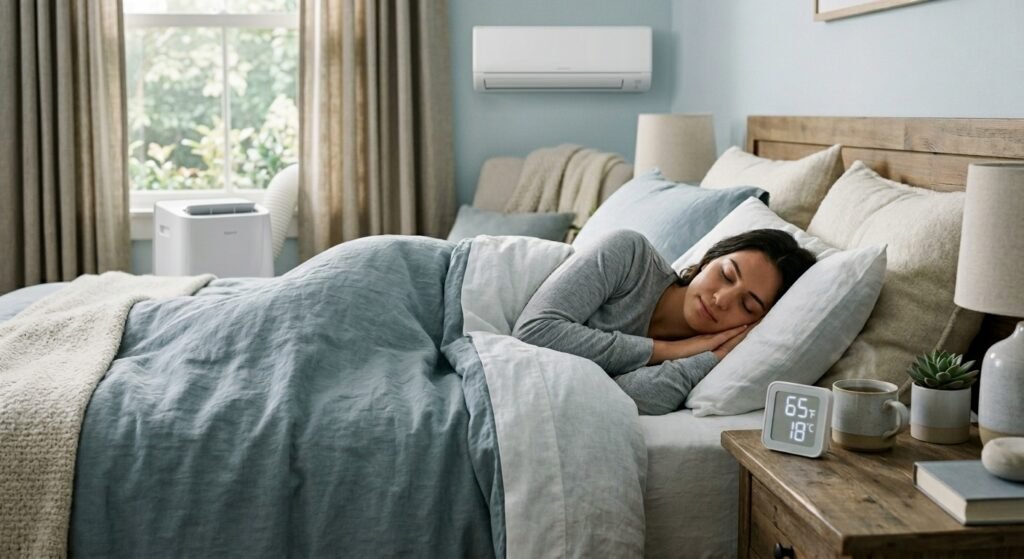
Experts generally agree that the best temperature for sleep is slightly cooler than typical daytime room temperature. While personal preferences vary, most adults find optimal restorative sleep between 60°F and 67°F (15°C to 19°C).
Because metabolic rates and circulation change with age, here is a helpful breakdown of the ideal ranges:
| Age Group / Condition | Ideal Temp (°F) | Ideal Temp (°C) | Expert Instructions |
| Adults | 60–67°F | 15–19°C | Standard range for optimal deep sleep cycles. |
| Teenagers | 65–70°F | 18–21°C | Slightly warmer ranges often feel more comfortable. |
| Infants (<1 year) | 68–72°F | 20–22°C | Maintain a consistent temp; avoid heavy blankets to prevent SUID risks. |
| Elderly (>65 years) | 65–70°F | 18–21°C | May require slightly warmer rooms due to reduced circulation. |
| People with Insomnia | 60–65°F | 15–18°C | Cooler temps help lower core body heat to induce sleep onset faster. |
Factors That Influence Your Sleep Microclimate
It isn’t just about the thermostat on the wall. Your sleep microclimate—the temperature immediately surrounding your body—is affected by:
- Bedding and Mattress: Heavy synthetic blankets or traditional memory foam can trap body heat. Switching to breathable fabrics like cotton, bamboo, or linen is essential for airflow.
- Sleepwear: Loose-fitting, natural fibers help regulate temperature, whereas tight or layered synthetic clothing can cause midnight “hot flashes.”
- Humidity Levels: Aim for 40% to 60% humidity. High humidity prevents sweat from evaporating (keeping you hot), while low humidity can dry out your nasal passages.
- Seasonal Adjustments: Use fans or AC in the summer, and transition to breathable layered blankets in the winter rather than cranking up the central heating.
Tips to Optimize Your Sleep Temperature
1. Invest in a Gel-Cool Mattress
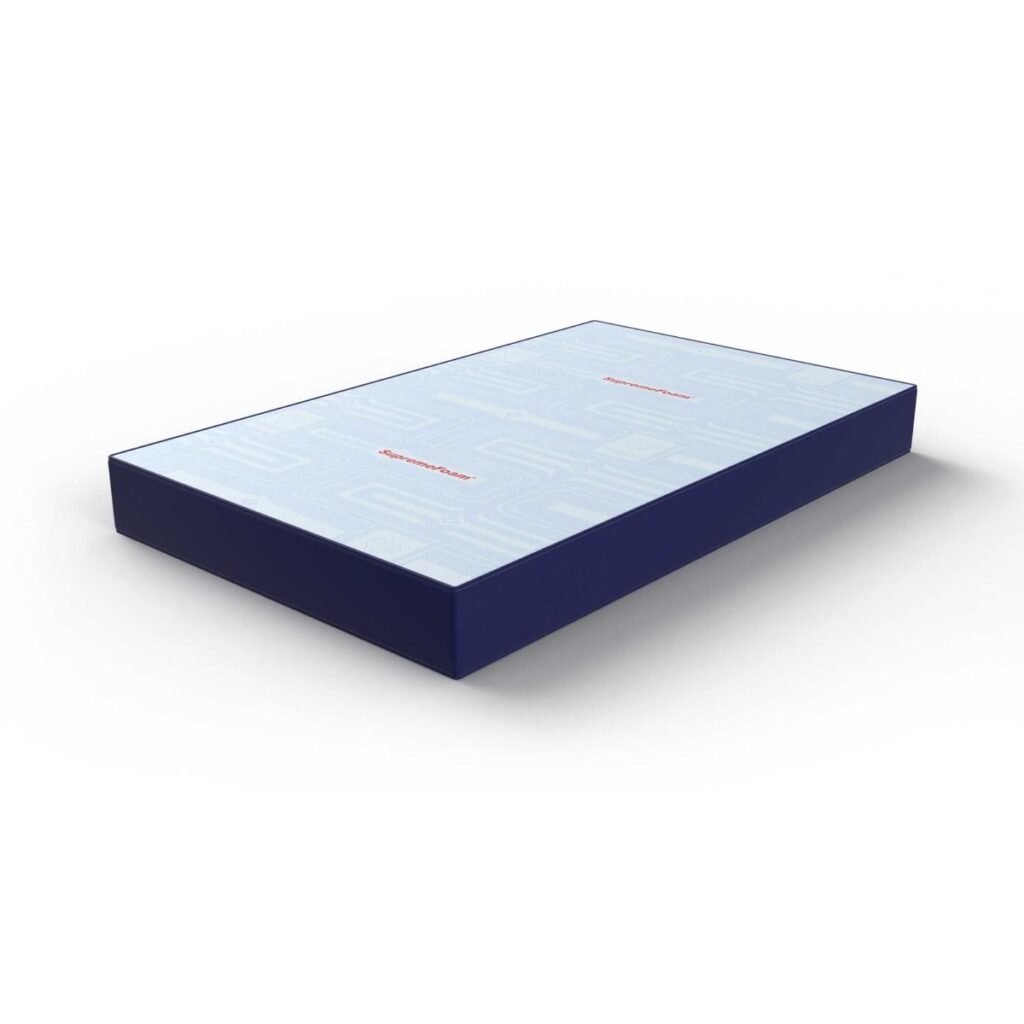
Modern sleep technology has evolved to prioritize thermal regulation. A Gel Cool mattress is engineered with phase-change materials or specialized gel infusions that actively regulate body temperature and prevent heat “traps.” This keeps you in the “Goldilocks” zone—not too hot, not too cold, leading to deeper recovery.
2. Use a Programmable Thermostat
Set your home to gradually lower the temperature 30 to 60 minutes before you plan to sleep. This mimics the natural cooling of the environment and helps trigger the brain’s “sleep switch.”
3. Keep Your Feet Warm
It sounds counterintuitive, but wearing socks or using a small blanket on your feet can actually help the rest of your body cool down. Warming the feet causes vasodilation (dilation of blood vessels), which helps the body’s core heat escape more efficiently through the skin.
Common Myths About Sleep Temperature
- Myth 1: Warmer is always better in winter. Overheating under heavy blankets can lead to fragmented sleep. It is better to keep the room cool and use layers you can easily shed.
- Myth 2: Everyone sleeps best at exactly 65°F. This is a benchmark, not a rule. Factors like metabolism, weight, and health conditions mean you should experiment with 1-degree adjustments to find your personal sweet spot.
- Myth 3: AC is bad for sleep. Modern AC units help maintain the consistent, cool environment necessary for REM sleep, especially in humid or tropical climates like Pakistan.
Conclusion: Transform Your Nightly Recovery
Achieving high-quality sleep goes beyond picking a firm mattress or a dark room. Your bedroom’s temperature is a physiological trigger for your brain. By maintaining a range between 60°F and 67°F (15°C to 19°C) and investing in cooling technologies like Gel Cool mattresses, you create a sanctuary for restorative, uninterrupted sleep.
FAQs
1. Can a room that is too cold be harmful?
Yes. If the room is excessively cold (below 55°F/13°C), your body may struggle to stay in deep sleep as it works to maintain its core temperature, often leading to shivering or waking up.
2. Is it better to sleep with a fan or AC?
Both are effective. Fans provide airflow and soothing white noise, while AC allows for precise temperature control. Many experts suggest using both for optimal circulation.
3. How does humidity affect sleep quality?
Humidity makes “warmth” feel more intense because it prevents your body from cooling itself through evaporation. Maintaining a balanced humidity level is key to sleep hygiene.
4. Should I adjust the temperature for seasonal changes?
Absolutely. Your bedding and thermostat should adapt. Use lighter materials and Gel-Cool technology in the summer, and focused warmth (like a heated mattress pad for the feet) in the winter.