
Looking for a bed that completes your bedroom without taking over the whole space? The right modern bed design should do more than look good. It should suit your room size, match your existing furniture, provide the right support, and fit the way you use your bedroom.
Modern beds come in many forms, from simple wooden frames to upholstered beds with statement headboards. The best choice depends on your space, personal style, storage needs, and the overall look you want to create.
What Makes a Bed Design Modern?
A modern bed set usually has a clean appearance, simple proportions, and fewer decorative details. However, modern does not mean plain. Materials, textures, headboards, colors, and practical features can give a bed plenty of character.
Common features include:
- Clean, straight or gently curved lines
- Upholstered or wooden headboards
- Neutral or adaptable colors
- Simple frames with balanced proportions
- Built-in or optional storage
- Designs that work well with different bedroom themes
The key is to choose a bed that works with the room instead of making the bed look disconnected from everything around it.
Consider Your Bedroom Size First
Before choosing a style, measure the room for furniture. A large bed with a wide headboard can look attractive in a showroom but may make a smaller bedroom feel crowded.
Leave enough room around the bed for walking and opening wardrobes, drawers, and doors. Also consider the visual height of the design. A tall headboard can draw attention upward, while a low-profile frame can make a room feel more open.
For smaller bedrooms, consider:
- Low-profile bed frames
- Simple headboards
- Designs with built-in storage
- Slim bedside tables
- Light or neutral upholstery
Larger bedrooms give you more freedom to use wider headboards, heavier frames, and more prominent designs.
Choose a Style That Matches Your Furniture
Your bed is usually one of the largest pieces in the bedroom, so its design should work with the rest of the home furniture.
If your room has wooden wardrobes and side tables, a wooden bed can create a consistent look. For rooms with fabric furniture, an upholstered bed can introduce similar texture and make the space feel more coordinated.
Here are a few popular directions:
Minimalist Beds
These designs focus on simplicity. They are suitable when you prefer a clean bedroom with limited decoration.
Upholstered Beds
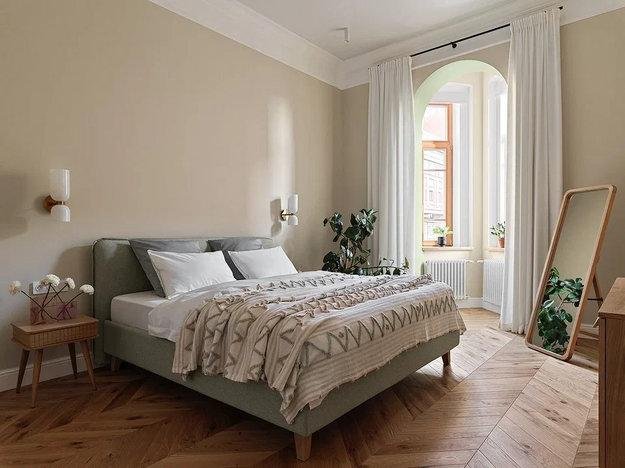
Fabric-covered frames and padded headboards add texture and a softer visual appearance. They can work particularly well with contemporary bedrooms.
Wooden Beds
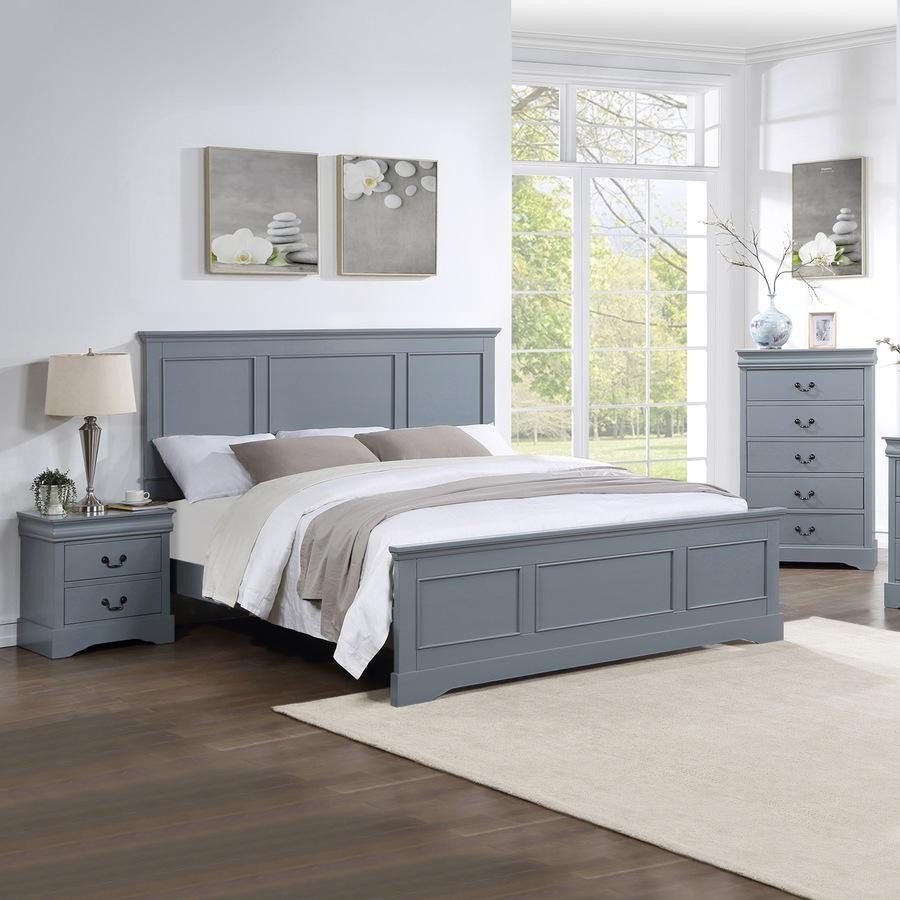
Wooden frames bring a natural element to the room. Depending on the finish and shape, they can work with both modern and more traditional interiors. Choose the best wood for beds, though.
Storage Beds
Storage beds are useful when floor space is limited. Drawers or other built-in compartments can provide additional space for bedding, clothing, or less frequently used items.
Pay Attention to the Headboard
The headboard can change the entire appearance of a bed. A tall, padded design can become the main feature of the room, while a simple wooden or low-profile headboard keeps the look understated.
When choosing a headboard, think about how you use your bed. If you regularly sit up to read, work, or watch television, a supportive upholstered headboard may be more practical than a very thin decorative one.
Also check its width and height against your bedroom wall. The headboard should look proportionate rather than overwhelming the space.
Choose Materials for Your Lifestyle
The material of a bed affects its appearance, maintenance, and long-term use.
For example, upholstered beds can add warmth and texture, but fabric may require regular dusting and careful cleaning. Wooden beds are generally easier to wipe down and can suit people who prefer a more natural appearance.
Before buying, consider:
- How easy the surface is to clean
- Whether the material suits your existing furniture
- The quality of the frame and construction
- How frequently the bedroom is used
- Whether the finish will work with future decor changes
For homes where dust and heat are regular concerns, practical maintenance should be part of the decision rather than an afterthought.
Select a Color You Can Live With
A modern bed does not have to be white, gray, or beige. The right color depends on the rest of the room.
Neutral shades are versatile and can work with different bedding colors over time. Darker shades can create a stronger visual presence, while lighter tones can help maintain an airy appearance.
If your walls, curtains, and flooring already have several colors or patterns, a simpler bed can help balance the room.
Compare Style, Function, and Space
A simple way to narrow your options is to compare the three most important factors:
| Bed Type | Best For | Key Consideration |
| Minimalist | Clean, uncluttered rooms | Limited extra features |
| Upholstered | Soft, contemporary interiors | Fabric maintenance |
| Wooden | Natural, versatile interiors | Finish and construction |
| Storage | Smaller bedrooms | Storage mechanism and access |
| Statement headboard | Larger bedrooms | Requires sufficient wall space |
This approach helps you avoid choosing a bed simply because it looks attractive in a product photograph.
How Diamond Home Can Help You Choose
When exploring modern bed designs 2026, Diamond Home offers furniture options that can help you build a coordinated bedroom setup. Instead of looking at the bed in isolation, consider how its shape, material, and proportions will work with your existing furniture.
Take time to compare the available designs, check dimensions carefully, and think about your everyday routine. A well-chosen bed should fit your bedroom today while also giving you flexibility when you change bedding, colors, or other furniture later.
Choose a Bed That Fits the Room and Your Routine
The right modern bed design comes down to more than appearance. Start with your bedroom measurements, then consider the style, headboard, material, storage, color, and mattress setup.
A good bed should look natural in the room, leave enough space to move around, and support the way you use your bedroom every day. Once these practical details are clear, choosing a design becomes much easier.
Frequently Asked Questions
- What is the most popular modern bed design?
Upholstered beds, minimalist frames, wooden beds, and storage beds are all common choices for modern bedrooms. The most suitable option depends on room size, furniture style, and personal preference.
- Which bed design is best for a small bedroom?
A low-profile bed or storage bed can work well in a small bedroom. Designs with simple headboards and built-in storage can help maintain usable floor space without adding unnecessary visual bulk.
- Are upholstered beds suitable for modern bedrooms?
Yes. Upholstered beds can suit modern bedrooms because they introduce texture while maintaining a clean overall appearance. Choose a fabric and color that coordinate with your curtains, walls, and other furniture.
- How do I choose the right bed size?
Measure your available floor space first and compare it with the bed’s external dimensions, not just the mattress size. Leave enough clearance for walking and for nearby furniture such as wardrobes and bedside tables.
- What should I consider besides the bed’s appearance?
Consider the frame construction, dimensions, material, maintenance, storage requirements, headboard design, and compatibility with your mattress. These practical details can make a significant difference in everyday use.