Waking up with a stiff neck or a dull headache is no way to start the day. More often than not, the culprit isn’t your mattress—it’s your pillow. The right pillow is not just about comfort; it’s about support and spinal alignment. Its primary job is to keep your head, neck, and spine in a straight, relaxed line. An improper pillow, on the other hand, can bend your neck and strain your muscles, leading to discomfort and pain.
So, how do you choose the perfect neck pillow support? Let’s break it down step-by-step.
Why Spinal Alignment Matters
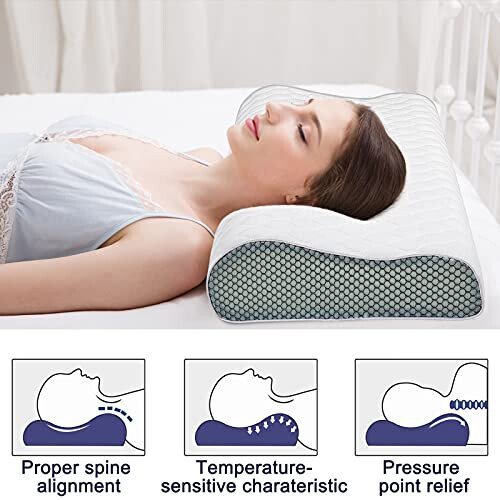
Think of your pillow as a bridge between your head and mattress. Its job is to fill the gap created by your head and shoulders, ensuring your neck maintains its natural curve and remains in line with your spine. When this alignment is off, tension builds up overnight, leaving you feeling sore instead of refreshed.
Choosing by Sleep Position
Your primary sleep position is the most important factor in selecting the right pillow.
- Side Sleepers: Your shoulders create the biggest gap between your head and the mattress. You need a pillow with a medium-to-high loft and medium-to-firm support to keep your neck level. Look for contour or gusseted pillows, which are designed to provide extra support for the neck.
- Back Sleepers: A medium-loft pillow that keeps your chin and forehead aligned is ideal. A pillow with a slight contour under the neck can help maintain its natural curve. Avoid very thick pillows that push your head forward, as this strains the neck.
- Stomach Sleepers: The flattest pillow is your best bet. A thin, soft option is best to prevent your neck from being pushed up at an unnatural angle. You might even consider forgoing a pillow under your head altogether and using a body pillow to ease twisting and reduce strain.
- Combo Sleepers: If you frequently change positions, flexibility is key. Adjustable-fill pillows allow you to add or remove stuffing to find the perfect height. Springy materials like latex also make it easier to move without losing support.
Best Pillow Materials for Neck Support
The material inside your pillow affects its feel, support, and longevity.
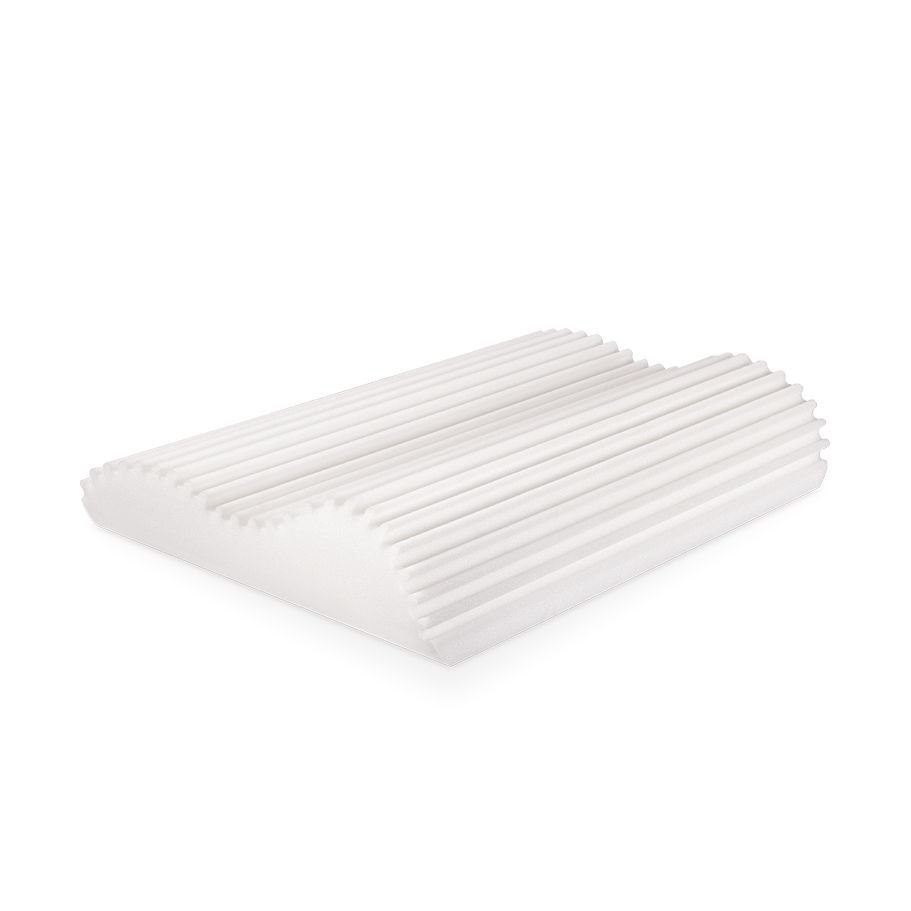
- Contour Memory Foam: Offers steady, personalized support by molding to the shape of your neck.
- Adjustable Shredded Foam: Provides custom height and firmness, making it highly versatile for all sleep positions.
- Latex Foam: Naturally springy and responsive, this material is breathable and ideal for hot or restless sleepers.
- Down-Alternative Microfiber: A soft and moldable option that’s great for low-loft needs and easy to wash.
- Hybrid Foam + Fiber: A supportive foam core with a plush fiber outer layer provides a perfect balance of firm support and soft comfort.
Pro Tips for Optimal Pillow Care
- Quick Alignment Test: Lie in your usual position and have a partner check if your head is in a straight line with your spine. Your nose should be aligned with the center of your body. Your neck should feel gently supported, not strained.
- Signs You Need a New Pillow: Look for morning neck pain or headaches, constantly having to fold or punch your pillow for comfort, or a pillow that has become flat, lumpy, or lifeless.
- Maintenance: Wash pillowcases weekly, air out your pillow regularly, and use a breathable protector to keep it fresh.
- Pillow Lifespan:
- Foam & Latex: 2–4 years
- Fiber & Down-Alternative: 1–2 years
- Replace sooner if you notice a return of pain or a loss of shape.
Conclusion
Your neck support begins with proper spinal alignment. The right pillow height and firmness depend entirely on your sleep position and mattress. By choosing breathable, adjustable, and supportive materials, you can fine-tune your comfort at home. With the right pillow, those stiff, painful mornings can become a thing of the past, replaced by refreshed, easy starts to your day.