The journey from a cozy crib to a “big-kid” bed is a thrilling rite of passage, marking a huge leap toward independence for your toddler. For parents, however, it comes with a familiar challenge: deciding exactly when to pull the trigger and what kind of mattress is best for their growing child. This decision isn’t just about size; it’s about keeping them safe, recognizing when they’re truly ready, and making sure they keep getting great sleep.
Here’s a guide to recognizing the key signals and successfully making the jump to a proper foam mattress foundation.
Reading the Readiness Signals
The timing of the transition is almost always driven by your child’s development and keeping them out of harm’s way, rather than a fixed age. While most children transition between 18 months and 3.5 years, look for these four crucial signals:
- The Great Escape Artist: This is the most critical sign. The minute your toddler consistently climbs out of the crib, or even tries to heave a leg over the rail, the crib is simply not safe anymore. A fall from that height is a serious risk.
- The Potty-Training Milestone: Lots of parents find it makes sense to align the bed transition with successful potty training. Being able to get out of bed independently to use the bathroom cuts down on stress and accidents during the night, reinforcing their newfound freedom.
- The Desire for Independence: If your little one flat-out asks for a “big-kid” bed or wants one just like their older sibling, it’s a powerful indicator that they are emotionally and mentally prepared for the change. Pay attention to their cues!
- Physical Outgrowth: If your child looks cramped, uncomfortable, or simply needs more space to stretch and move, their body is signaling that the tight confines of the crib mattress are no longer cutting it for truly refreshing rest.
Choosing the Right Foundation for Growth
Once you’ve decided it’s time, selecting the baby mattress is the next big step. For most toddlers and growing children, a twin size mattress is the perfect fit, offering plenty of space and room to grow without feeling like it swallows up the bedroom. When considering materials, focus on safety and support:
| Material Type | Why It Works for Toddlers | Safety Priority |
| Foam (Polyfoam/Memory Foam) | Provides excellent cushioning and cuddles their body just right, helping them settle comfortably. It’s often very quiet. | Look for CertiPUR-US certification to ensure the foam is made without sketchy chemicals and heavy metals. |
| Innerspring/Hybrid | Offers a traditional, bouncy feel and excellent edge support, which is great for kids who move a lot and are used to a firmer crib feel. | Make sure the mattress has enough fluffy padding over the coils so your child isn’t resting directly on the springs. |
| Latex (Natural) | Super durable, naturally hypoallergenic, and incredibly springy. It holds its shape for years, making it a great long-term investment. | Verify that it is 100% natural latex (Talalay or Dunlop) if seeking the most durable, chemical-free option. |
Firmness Check: While adults often prefer softer beds, toddlers and young children still need a relatively medium-firm feel. This ensures proper spinal alignment and support for their developing bones. Steer clear of overly plush mattresses, which could pose a suffocation risk for the youngest transitionary.
Tips for a Smooth and Positive Transition
The shift from crib to bed can be daunting, but a few simple strategies can make it a joyful, positive experience for everyone:
- Make it an Adventure: Let your toddler participate! Allow them to choose their brand-new sheets, a favorite pillow, or even a fun bed frame. By giving them ownership of the process, you build excitement instead of anxiety.
- Maintain the Ritual: Don’t change everything at once. Keep the core of your bedtime routine consistent—the same story, the same lullaby, and the same favorite blanket. Familiarity is your secret weapon for a vital sense of security in the new space.
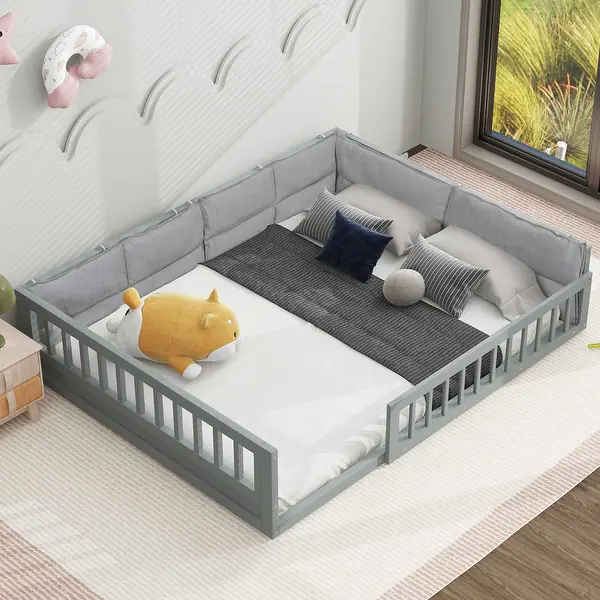
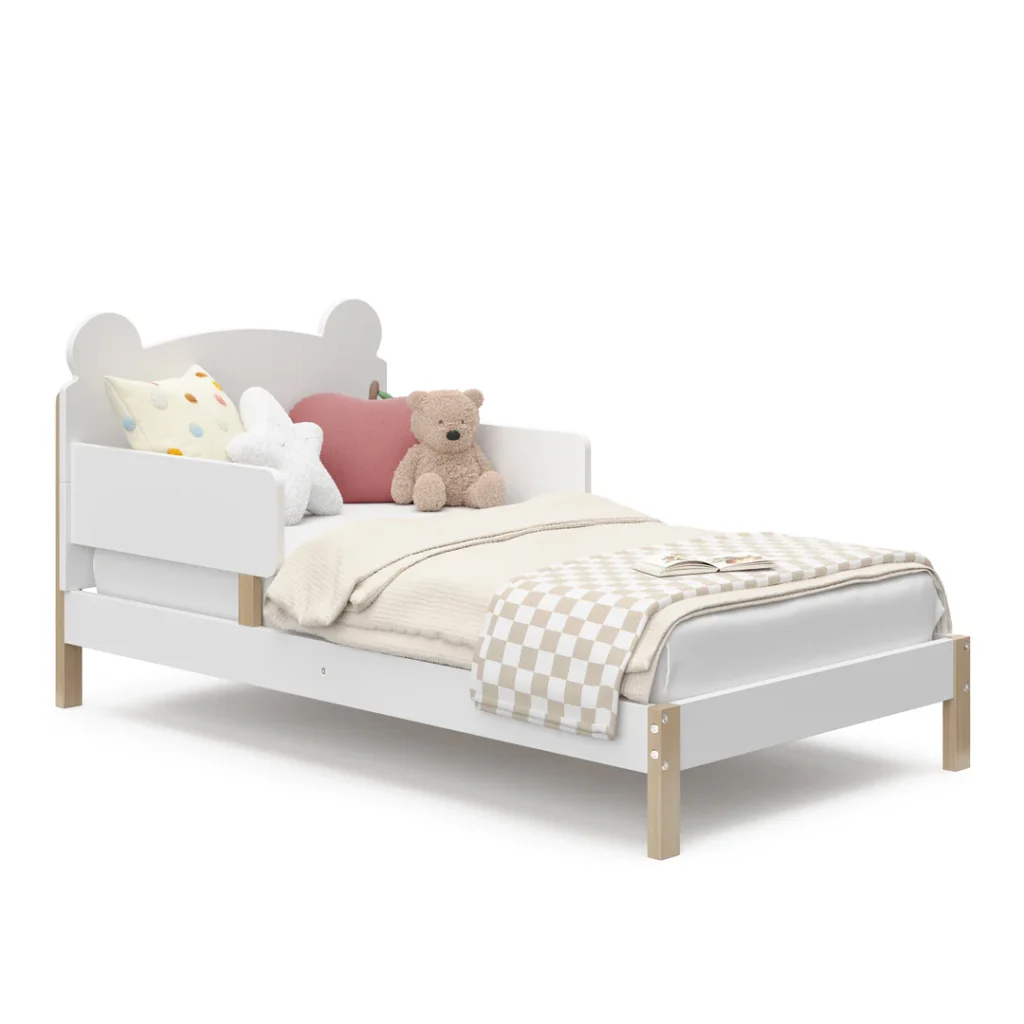
- Prioritize Safety First: Use a low bed frame or even place the mattress right on the floor initially to minimize the drop. Guard rails are an absolute must-have against nighttime tumbles and a non-negotiable for the first year.
- Patience is Paramount: Be ready for a few bumps. Your toddler will likely test their new freedom by getting out of bed. Gently and firmly return them to their space, offering reassurance but staying completely consistent. This “tuck-in and leave” technique is key to establishing the new boundary.
Conclusion
Embracing this change sets your child up for years of restful sleep and growing independence. By looking for the right developmental signals and choosing a supportive, safe mattress that meets current safety standards, you ensure this “big-kid” milestone is a smashing success. This isn’t just a bed change—it’s an investment in their continued health and independence.