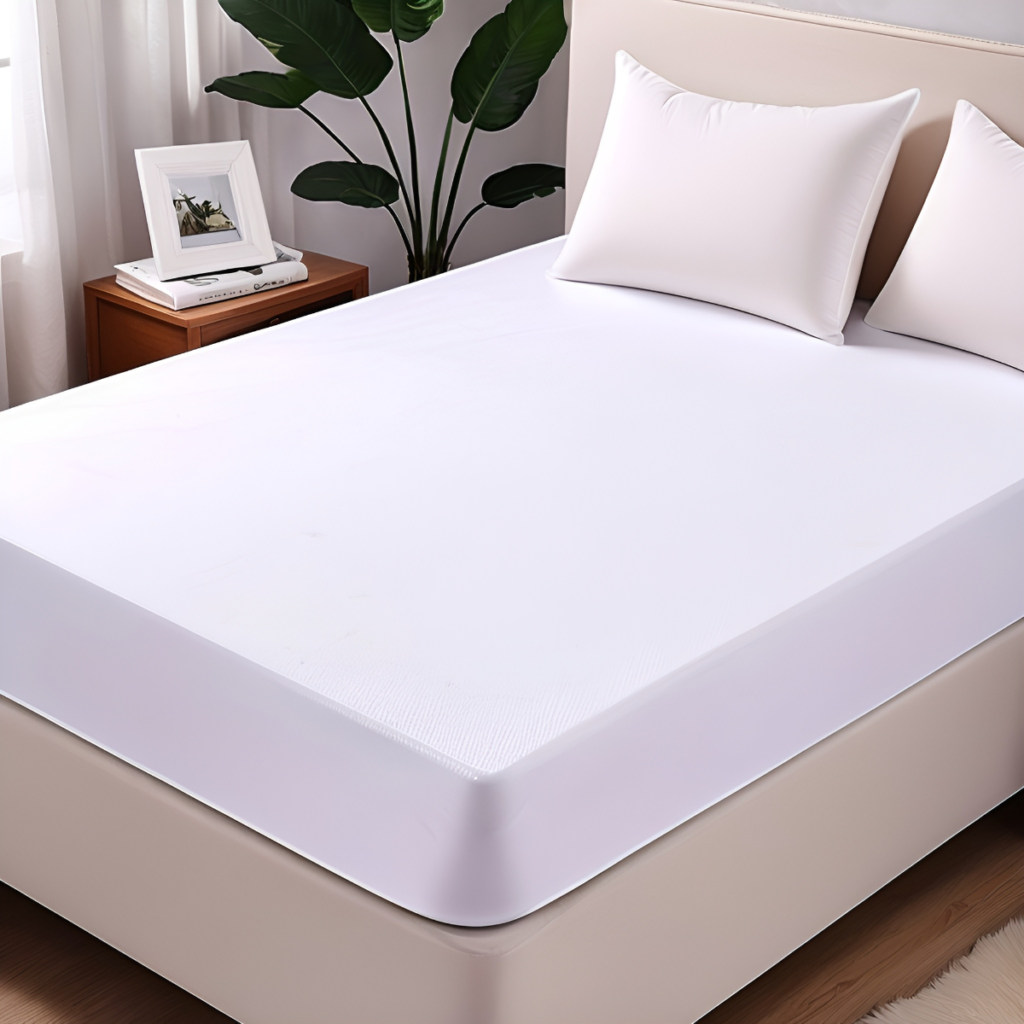

Do you know what happens to your mattress when it sits in storage for months or even years? Without proper care, it can accumulate dust, develop mold, or lose its structural integrity. Whether you’re moving, renovating, or simply switching beds, knowing how to store a mattress correctly ensures it remains clean, comfortable, and ready for use. This ultimate guide will walk you through everything you need to know about long term mattress care. So, here are some important care and storage tips:
1. Clean Thoroughly Before Storage
Before storing your mattress, start with a deep clean:
- Vacuum: Use a vacuum cleaner with an upholstery attachment to remove dust, dirt, and allergens from the surface.
- Spot-clean stains: Treat any stains with a gentle fabric cleaner. Avoid soaking it, as excess moisture can cause mold.
- Deodorize: Sprinkle baking soda over it, leave for a few hours, then vacuum it off. This neutralizes odors and keeps it fresh.
The Mattress topper should be washed and dried before storage to avoid trapping moisture.
2. Choose the Right Storage Environment
A mattress is sensitive to environmental conditions. Choose storage with these key features:
- Climate-controlled: Avoid damp basements or unventilated attics. Humidity can cause mold, mildew, and odors.
- Temperature-stable: Extreme heat or cold can damage memory foam and latex layers.
- Clean and Dry: Ensure the storage area is free from pests, dirt, and moisture.
3. Protect Your Mattress with the Right Cover
Investing in a mattress topper, protector, or cover is crucial:
- Plastic mattress covers: Offer full protection against dust, dirt, and water. Ensure it’s breathable to prevent moisture buildup.
- Fabric covers: Can help keep the mattress dust-free, but are less protective against moisture.
- Avoid tight wrapping: Completely sealing without ventilation can trap condensation and promote mold.
Read More: The Best Mattress Topper in Pakistan 2026
4. Proper Positioning: Flat or Upright?
How you position your mattress affects its longevity:
| Mattress Type | Recommended Storage Position | Important Instructions |
| Innerspring | Flat or upright | Keep upright only if supported along the entire edge to avoid sagging |
| Memory Foam / Latex | Flat | Avoid standing upright, as foam may warp under its own weight |
| Hybrid | Flat | Ensure weight is evenly distributed |
| Foldable Mattress | Flat or lightly rolled | Check manufacturer instructions |
Avoid leaning heavy mattresses against a wall without support, as it can create permanent indentations.
5. Keep it Elevated
Place the mattress on a raised platform or pallet rather than directly on the floor. Benefits include:
- Air circulation underneath to prevent mold
- Protection from minor flooding or damp floors
- Reduction of dust accumulation from the ground
6. Avoid Heavy Items on Top
Do not stack furniture, boxes, or other mattresses on top. Weight can compress the layers, particularly memory foam, causing sagging or permanent damage.
7. Check Periodically
Even in storage, mattresses need attention:
- Inspect every 3 to 6 months for signs of moisture, mold, or pests.
- Rotate or flip if recommended by the manufacturer to maintain structural integrity.
- Refresh with vacuuming or light airing if odors develop.
Must Read:- How to Properly Clean Couch Cushions for Lasting Freshness
8. Moving a Mattress Safely
Use a mattress bag to prevent dirt or tears during transport.
- Carry it upright with at least two people; avoid bending unless it has flexible foam.
- Avoid dragging across rough surfaces to prevent damage.
9. Long Term Care Considerations
Avoid prolonged exposure to direct sunlight: UV rays can degrade foam and fabrics.
- Mind humidity levels: Use a dehumidifier if necessary in storage units.
- Label your mattress: Note the date of storage and type for easy identification later.
Final Thoughts!
Proper mattress storage doesn’t have to be complicated. With the right cleaning, protection, positioning, and monitoring, you can make sure it remains fresh and supportive, ready for a good night’s sleep when you need it. Follow these long-term care tips and steps to preserve your investment, prevent costly damage, and extend the life of your mattress significantly.
FAQs
- Can you store a mattress upright?
Yes, but only for innerspring or lightweight mattresses with proper support along the edges. Memory foam and hybrids should remain flat to prevent warping.
- How long can you store a mattress without damage?
With proper cleaning, covering, and a climate-controlled environment, a mattress can be stored safely for 6 to 12 months. Beyond that, periodic inspection is recommended.
- Should you wrap a mattress in plastic for storage?
Yes, but ensure it’s a breathable plastic cover. Completely airtight wrapping can trap moisture, leading to mold growth.
- Can you store a mattress in a basement?
Only if it is clean, dry, and the basement is climate-controlled. Damp environments increase the risk of mold and mildew.