We all know that a good night’s sleep is non-negotiable for our health. But while we obsess over mattresses and blackout curtains, we often ignore the one thing literally cradling our heads for eight hours a night: the pillow.
Over time, your once-supportive companion transforms from a cloud-like sanctuary into a flat, bumpy, and—let’s be honest—slightly gross collection of allergens. Pillows aren’t immortal, but knowing exactly when to “break up” with yours can be tricky.
Here is everything you need to know about pillow life expectancy, spinal alignment, and the “silent” hygiene factors that affect your sleep.
1. How Long Do Pillows Really Last?
It’s a common myth that pillows last until they literally fall apart. In reality, their structural support wanes long before they look worn out. On average, you should look to replace your pillow every 1 to 2 years.
Depending on the material, here is the typical “Best Before” date:
- Polyester/Fiberfill: 1 to 2 years (these flatten the fastest).
- Down or Feather: 1 to 3 years (the loft eventually collapses).
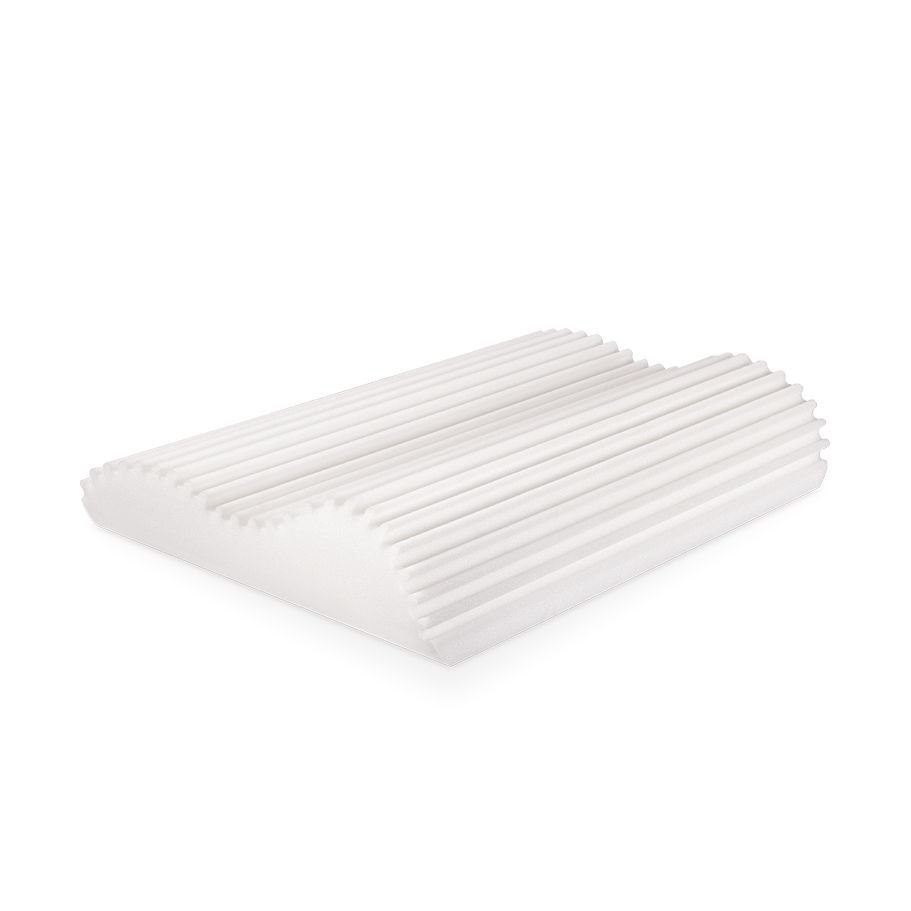
- Memory Foam: 2 to 3 years (the foam structure eventually loses its “memory”).
- Latex: 3 to 4 years (the most durable and resilient option).
2. The 5 Warning Signs It’s Time to Move On
If you aren’t sure if your pillow has reached its expiration date, look for these “red flags”:
The “Fold Test” Failure
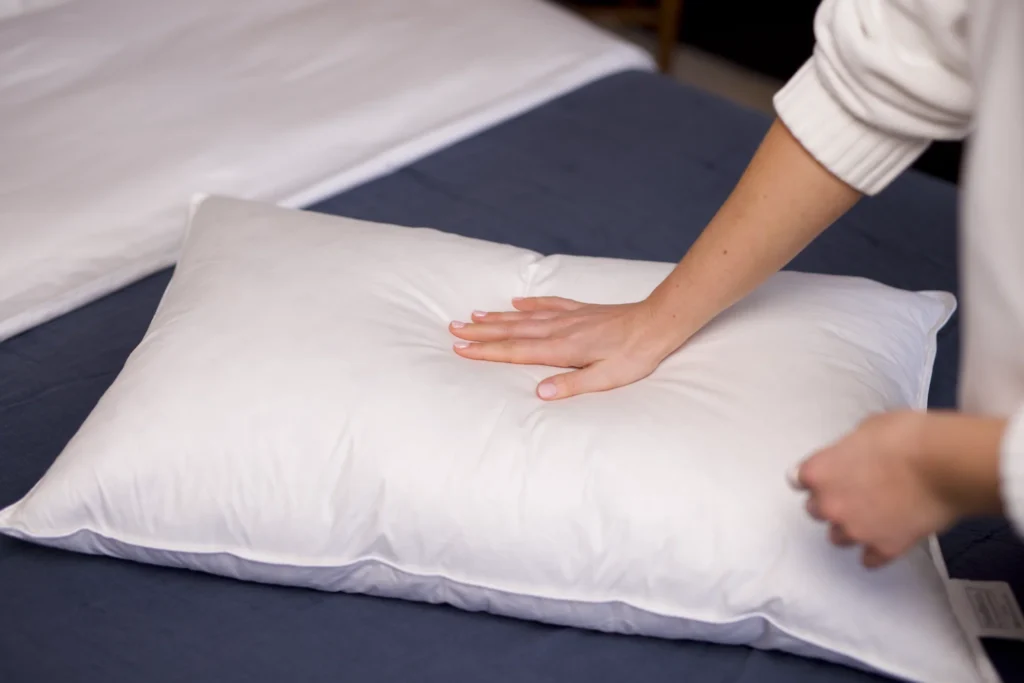
A good pillow should keep your spine aligned. Here’s the test: Fold your pillow in half. If it doesn’t spring back to its original shape immediately, the internal support is dead. It’s time for a new one.
Waking Up with Stiffness
If you start your morning with a “crick” in your neck or tension in your shoulders, your pillow is likely to blame. When a pillow loses its loft, it can no longer keep your neck in a neutral position relative to your spine.
Lumps and Bumps
When the filling in a feather or polyester pillow shifts into permanent clumps, it creates uneven pressure. Similarly, if a foam pillow feels “crumbly” or irregular, the material is deteriorating.
The “Scent” of Bacteria
Unpleasant odors are often a sign of trapped moisture, sweat, skin oils, and—unfortunately—microbial growth. If a deep clean doesn’t fix the smell, the core is compromised.
The Two-Year Rule
Even if it feels okay, a pillow older than two years has likely doubled in weight due to the accumulation of dead skin cells and dust mites. For those with allergies, this is a major health hazard.
3. How to Practice “Hygienic Sleep”
You can extend the life of your pillow and keep your sleep environment fresh by following a few simple maintenance steps:
- Use a Pillow Protector: This is a game-changer. A zippered, breathable protector creates a barrier against sweat, oils, and dust mites. It’s much easier to wash a protector every week than a whole pillow.
- The 3-Month Wash: For down and polyester pillows, a machine wash every 3 to 6 months is vital. Note: Never put solid memory foam in a washing machine—spot clean only!
- The “Tennis Ball” Trick: When drying fiber or down pillows, toss a few clean tennis balls or dryer balls into the machine. This beats the lumps out and restores the fluff.
- The Daily Fluff: A quick 10-second fluff every morning prevents the filling from settling into one spot, keeping the support even.
Conclusion: Better Support, Better Life
A pillow isn’t just a soft place to land; it’s a piece of sleep engineering. A fresh, supportive pillow can be the difference between a restless night and waking up pain-free. Given that we spend nearly a third of our lives in bed, investing in a high-quality pillow is one of the most cost-effective ways to improve your daily well-being.