The simple act of placing your head on a pillow marks the final preparation for sleep. Yet, the material nestled inside that pillow—its core filling—is often the last thing we consider. Paradoxically, the padding is the most crucial factor determining your comfort, the quality of neck support, and the longevity of your restful sleep.
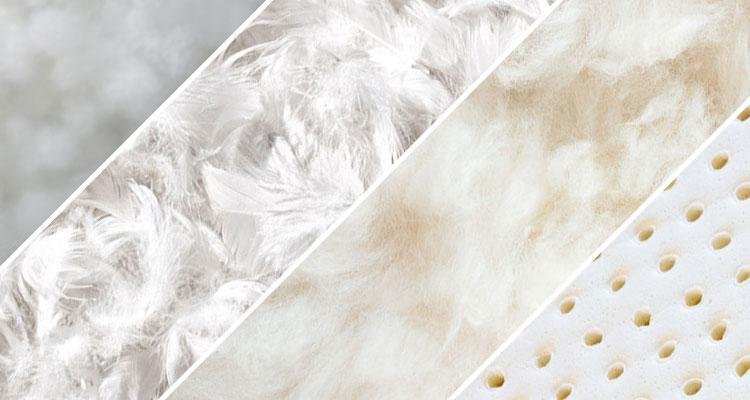
In the bedding market, purchasers primarily choose from three standard fillings: traditional natural cotton, durable foam (typically high-density memory foam or latex), and modern fiber (polyester) blends. But which one truly guarantees enhanced, more beneficial sleep? The answer lies in precisely matching the unique properties of the filling with your personal sleep needs and position.
1. The Classic Choice: Cotton Fillings
Cotton is a natural, familiar, and highly breathable material. It offers a soft, pliable feel, is lightweight, and easily compresses.
- Pros:
- Natural and Highly Breathable: Due to its high permeability, cotton provides excellent temperature neutrality, making it a comfortable choice for those who prefer natural fibers and tend to sleep warm.
- Hypoallergenic: It is often a safe and desirable choice for individuals with sensitive skin or common allergies.
- Easily Washable: Simple to clean and therefore straightforward to maintain hygiene.
- Cons:
- Poor Structural Support: Cotton compresses quickly under weight, offering minimal sustained resistance. This makes it difficult for the pillow to maintain the necessary loft required for proper neck and spine alignment.
- Short Functional Life: The material tends to clump rapidly and lose its shape. It requires regular, vigorous fluffing and generally needs to be replaced more often.
- Verdict: Cotton is best suited for those who strictly prefer a very soft, thin, low-loft pillow, such as stomach sleepers, or for use purely as a decorative cushion. It is not recommended for those dealing with chronic neck pain or requiring structured, consistent support.
2. Foam Fillings
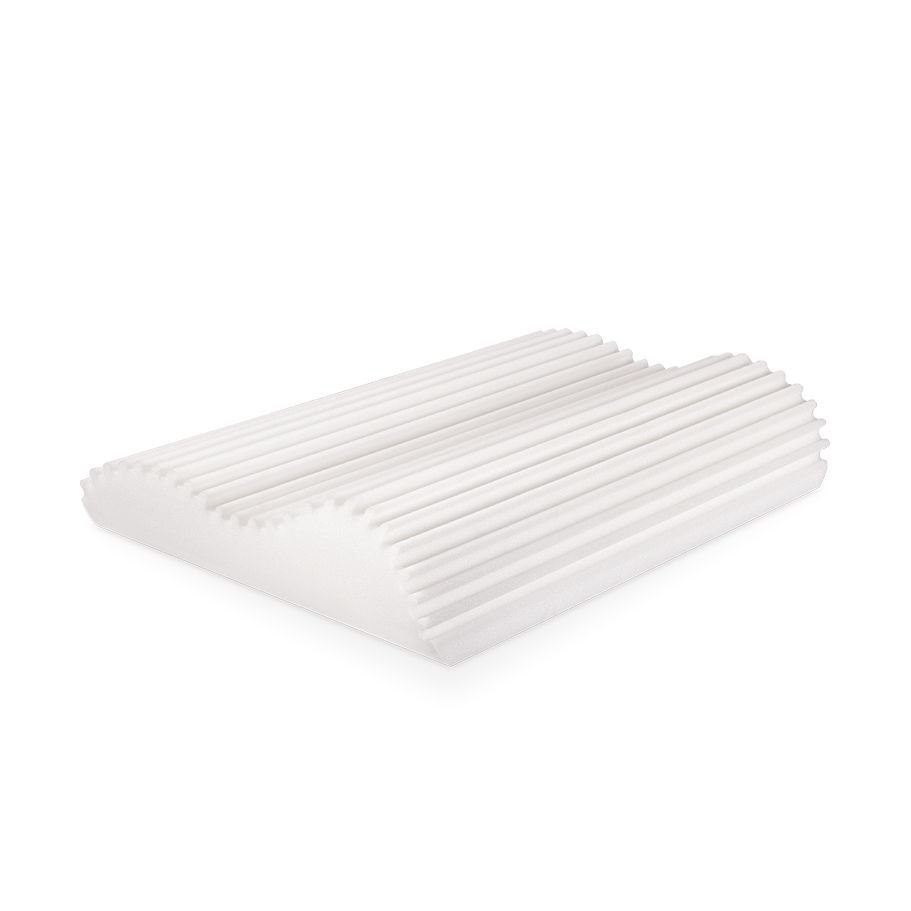
Most foam pillows are available in two forms: solid molded pieces, such as memory foam contour pillows, or shredded foam clusters. This category is defined by its superior capability to deliver consistent, targeted support.
- Pros:
- Excellent, Consistent Support: High-density foam, particularly solid-molded pieces – is exceptional at maintaining a consistent shape and height throughout the night. For therapeutic or orthopedic support, this is often the absolute best choice.
- Targeted Pressure Relief: Memory foam precisely contours the curves of the head and neck. This action distributes weight evenly and works to eliminate painful pressure points.
- Durability: High-quality foam lasts significantly longer than either cotton or low-grade fiber fills without losing its supportive structure.
- Cons:
- Potential for Heat Retention: Older or non-ventilated foams can sometimes trap body heat. It is critical to select modern options, such as gel-infused, copper-infused, or naturally breathable materials like natural latex foam or ventilated memory foam, to counter this heating problem.
- Initial Firmness: The density and firmness required for therapeutic support can feel rigid or stiff to some sleepers initially.
- Verdict: Highly recommended for side sleepers, back sleepers, and anyone seeking therapeutic relief from neck and shoulder pain. Always prioritize manufacturers who use advanced cooling technologies.
3. The Accessible Standard: Fiber Fillings (Polyester)
A fiber pillow is filled with synthetic polyester clusters or batting, often called a “down alternative.” This type of filling is typically the most commonly found in the market because it is highly affordable.
- Pros:
- Fluffy and Flexible: The material is easy to manipulate and shape, offering a soft, lightweight initial comfort.
- Affordability: Provides a comfortable, familiar feel at a low price point, making it easily accessible.
- Hypoallergenic: As a synthetic material, it generally resists harboring common allergens.
- Cons:
- Poor Longevity: Like cotton, fiber compresses quickly and tends to clump unevenly over time, which compromises support.
- Limited Structural Support: Although soft, it fundamentally lacks the structural density necessary to correctly support the cervical spine, making it less advisable for those managing chronic pain.
- Verdict: Very suitable for guest rooms, temporary use, or for budget-conscious shoppers. However, if your primary concern is long-term neck health and consistent support, fiber is best viewed as a temporary comfort rather than a durable solution.
Pillow Fight: The Bottom Line for Better Rest
To achieve truly better, restorative sleep, the emphasis must fundamentally shift toward support and proper spinal alignment rather than focusing only on initial plushness.
If your primary goal is Orthopedic Support and the alleviation of chronic neck pain, you will want a high-density foam pillow (memory foam or natural latex), ideally with contouring available and cooling technology integrated. For long-term pain management and healthy posture, investing in a more structured, durable foam option is unequivocally your best choice for a good night’s sleep.