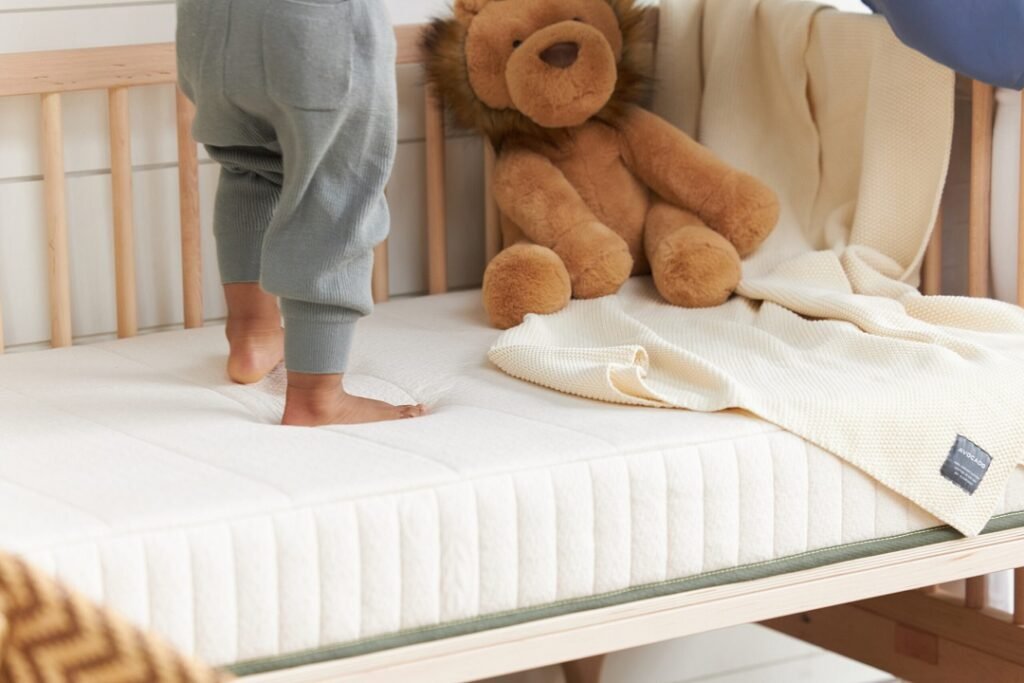
Bringing a newborn home is one of life’s most exciting, transformative experiences. Naturally, as a parent, your main mission is to ensure your baby’s environment is as safe, healthy, and comfortable as humanly possible. When you’re setting up that perfect nursery, the crib bedding is a non-negotiable priority. After all, babies spend a huge chunk of time in their cribs, and the materials they constantly touch can impact their delicate health.
Especially here in Pakistan, where temperatures swing wildly, you need bedding that not only protects your little one from harmful chemicals but is also perfectly suited to the local climate. Let’s dive into how you can choose non-toxic, hypoallergenic baby bedding that truly promotes better health and peaceful sleep.
Why “Clean” Bedding is Non-Negotiable
A lot of standard baby bedding is made with synthetic fabrics that have been treated with harsh chemicals. These treatments might be added to resist stains, enhance durability, or even act as flame retardants. While the intentions may seem good, these chemicals—like formaldehyde, synthetic dyes, and heavy flame retardants—can pose a real risk to your baby’s super sensitive skin and potentially lead to long-term health issues.
Choosing non-toxic, hypoallergenic bedding means picking fabrics that are entirely free from these harsh additives. These materials aren’t just safer; they actively help prevent allergic reactions, which is particularly important in Pakistan where dust and pollen allergies are so common. It’s about minimizing irritants and maximizing safety.
Key Features to Prioritize in Your Baby’s Bedding
1. Breathability: Keeping Them Cool and Cozy
Dealing with Pakistan’s intense heat and humidity in the summer, and the quick temperature drops in winter, makes breathability vital. You need fabric that helps your baby’s body naturally regulate temperature, preventing the risk of dangerous overheating or annoying night sweats.
Look for stars like organic cotton, bamboo, and linen. They naturally promote excellent airflow, which reduces the chance of heat rash and keeps your baby comfortable for better sleep during both day naps and long nights.
2. Silky Softness and Comfort
A newborn’s skin is incredibly delicate and prone to irritation, so softness isn’t just a luxury—it’s a necessity.
- Organic cotton is a fantastic choice as it’s inherently soft, grown without harsh pesticides, and incredibly gentle on the skin.
- Bamboo bedding is another great option, known for feeling silky smooth and being highly absorbent, which helps wick away moisture to keep your baby dry and snug.
3. Hypoallergenic Properties: Gentle on Sensitive Skin
If your baby has sensitive skin, or if conditions like eczema run in the family, hypoallergenic bedding is essential. These materials are specifically woven or designed to minimize common allergens such as dust mites, mold, and pet dander. As mentioned, cotton and bamboo naturally have great hypoallergenic qualities, providing a clean, safe sleep surface for babies with skin sensitivities.
How to Spot Safe, High-Quality Bedding
Look for Certifications
Don’t just take the brand’s word for it—look for concrete proof. When shopping, always search for third-party certifications from globally recognized organizations like GOTS (Global Organic Textile Standard) or OEKO-TEX Standard 100. These labels are your assurance that the product has been rigorously tested for harmful chemicals and that the manufacturing process adheres to strict environmental and safety rules.
Be Wary of Harsh Dyes
When choosing sheets, blankets, or crib bumpers, be cautious of items with vibrant, strong synthetic dyes or chemical fragrances. These chemicals can leach into the fabric and irritate your baby’s skin or even affect their breathing. Instead, seek out natural, undyed fabrics or those that clearly state they use vegetable-based dyes, which are much safer and kinder to the environment.
Climate Smart Bedding for Pakistan
The fluctuating temperatures across Pakistan demand bedding that can adapt.
- For Hot Summers: Your bedding needs to be lightweight and moisture-wicking. Thin organic cotton sheets or breathable muslin blankets are perfect—they keep the baby cool without feeling restrictive.
- For Cooler Months: If you need a heavier blanket or duvet, it must still be breathable. Choose materials that offer insulation while allowing air to circulate to prevent the baby from overheating beneath the covers.
Conclusion: Prioritize Safety and Peace of Mind
When you choose your baby’s bedding, you’re making a decision that goes far beyond nursery décor—it’s a vital commitment to their health. By prioritizing non-toxic, hypoallergenic, and breathable materials, you are actively creating a safe, chemical-free environment that nurtures delicate skin and supports healthy, easy breathing.
Make a thoughtful investment in quality bedding that combines comfort, durability, and temperature regulation for your region. Certified, safe choices now pave the way for your newborn’s most peaceful, restorative sleep, giving you valuable peace of mind.