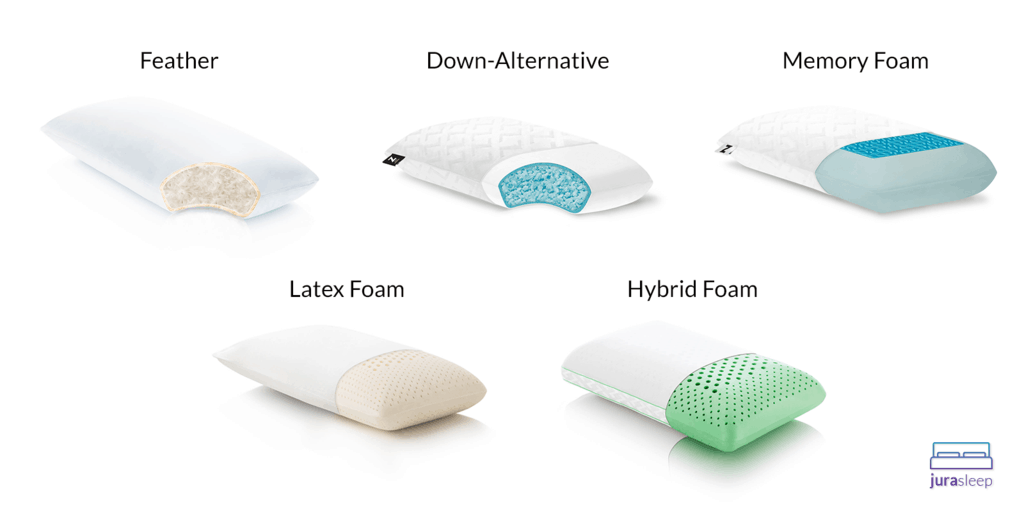
A good pillow is more than just a piece of fluff; it’s a vital component of your sleep system. Choosing the right one is a matter of material science, and it can mean the difference between waking up refreshed and waking up with a stiff neck. Understanding the key differences between memory foam, latex, and down alternatives will help you find the perfect match for your needs, climate, and sleep style.
Memory Foam: The Contouring Cradle
Memory foam, or viscoelastic polyurethane foam, is a modern marvel of material engineering. Its defining characteristic is its ability to soften under pressure and body heat, molding precisely to the unique shape of your head and neck. This creates a stable, deeply contouring cradle that excels at distributing weight and relieving pressure points.
- Feel: Offers a “hugged,” sinking feeling.
- Best For: Side and back sleepers who need firm, personalized support to minimize aches.
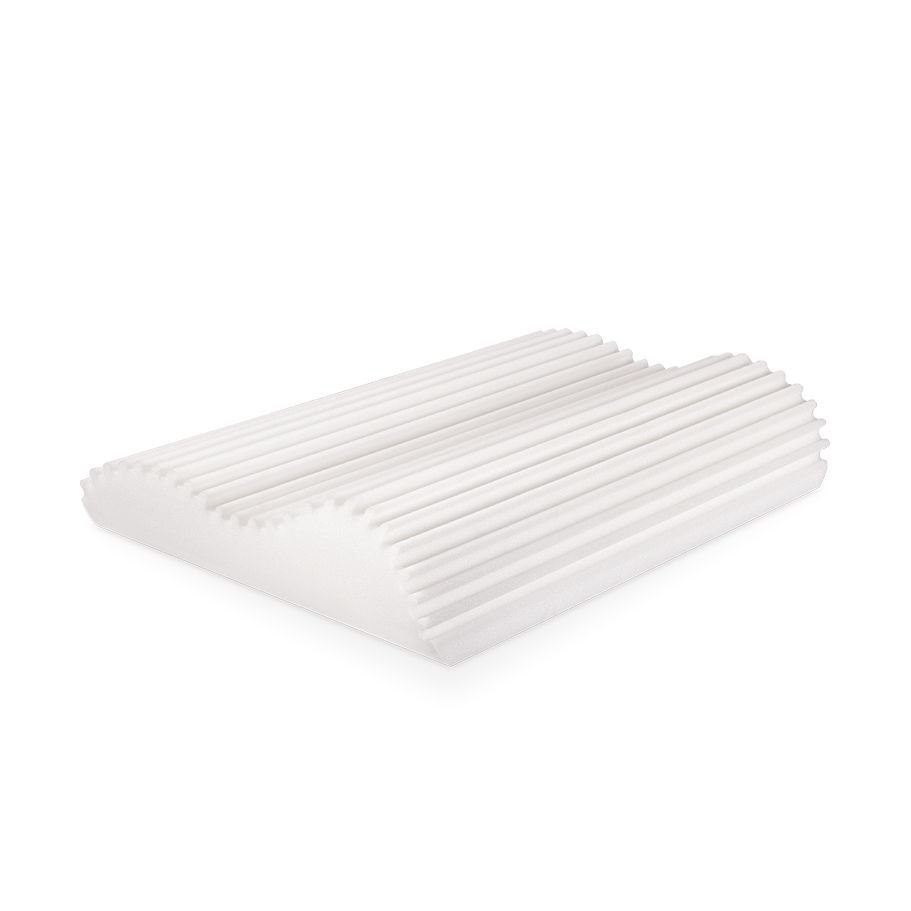
- Key Property: Excellent pressure relief and motion isolation. To combat its tendency to retain heat, many modern memory foam pillows feature cooling gels or ventilation.
Latex: The Buoyant and Breathable Lift
Derived from the sap of a rubber tree, latex foam offers a completely different feel. Instead of a slow sink, latex provides a buoyant, responsive lift that springs back instantly. This material’s natural elasticity supports your head and neck without the feeling of being “stuck.”
- Feel: Bouncy and highly responsive.
- Best For: Hot sleepers and those who prefer a more lively feel.
- Key Property: Natural breathability and durability. Latex is naturally hypoallergenic and has a longer lifespan than most other pillow types. Whether you choose the denser Dunlop or the airier Talalay, you’ll find it offers consistent support.
Down Alternatives: Softness and Simple Care
For those who love the traditional feel of a soft, moldable pillow but want to avoid allergens and difficult care, down alternatives are the perfect solution. These pillows are filled with fine polyester microfibers designed to mimic the loft and softness of natural down.
- Feel: Lightweight, airy, and easy to shape.
- Best For: Stomach sleepers who need a very low loft to maintain spinal alignment.
- Key Property: Easy to care for. Most are machine washable, making it simple to keep your pillow fresh and clean.
Finding Your Perfect Pillow
The best pillow for you depends on your sleep position and personal preferences.
- Side Sleepers need a medium-to-high loft pillow to fill the space between their shoulder and ear. Memory foam contour pillows or taller latex options work well.
- Back Sleepers generally do best with a medium loft pillow that offers gentle support without pushing the chin forward.
- Stomach Sleepers should always choose the lowest loft to prevent neck strain, making soft down alternatives an ideal choice.
Conclusion
Your pillow is a key piece of material engineering that, when chosen correctly, can significantly improve your sleep quality. By matching your needs for pressure relief, breathability, and ease of care with the right material, you can transform your nights and wake up ready to face the day.