
Bringing a newborn home is a period of immense joy and excitement, but it also comes with a new set of responsibilities. Topping the list is creating a safe and cozy sleep space. Your goal is simple: ensure your baby is comfortable, their temperature is regulated, and they’re sleeping on a safe surface that minimizes risks.
This parent-friendly guide will walk you through choosing bedding that is not only gentle on your baby’s skin and easy to care for but is also perfectly suited for warm nights and dusty environments.
The Golden Rules: Bare, Firm, and Snug
The safest sleep environment for a newborn is one that is simple and clutter-free.
- Firm Mattress: Always use a firm, flat crib mattress that doesn’t sag. Soft surfaces are not safe for an infant.
- Snug Fit: The mattress should fit tightly in the crib with no gaps around the sides where a baby’s hands or head could get stuck.
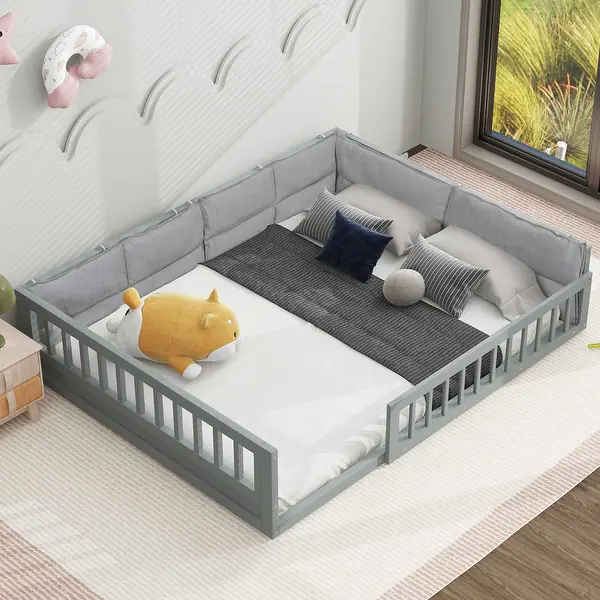
- Bare Sleep Surface: For babies under 12 months, the crib should be completely bare. That means no pillows, quilts, thick blankets, crib bumpers, wedges, or stuffed toys. A single fitted sheet is all they need on the mattress.
Sheets and Protectors
When it comes to sheets, simplicity and safety are key.
- Fitted Sheets Only: Choose fitted sheets that wrap securely around the mattress corners so they don’t bunch up. Keep at least two to three spare sheets on hand for quick changes.
- Fabric Choice: Light, breathable cotton is gentle on newborn skin and easy to wash. In warmer months, a single cotton layer is usually enough.
- Mattress Protector: Use a quiet, breathable, waterproof protector under the sheet. This guards against leaks and sweat. Avoid crinkly, plastic-feel covers that can trap heat and make noise.
What to Use Instead of Blankets
Blankets pose a risk of suffocation, so it’s important to use safer alternatives.
- Wearable Blankets (Sleep Sacks): These keep your baby warm without the risk of loose fabric. They are designed to be worn over pajamas and zipped up.
- Proper Fit: Ensure the neckline and armholes are snug so the sack can’t ride up over the baby’s face. Always check the label for weight and size guidance.
Dressing Your Baby for Sleep
A baby’s sleep clothing plays a big role in keeping them comfortable and safe.
- Dress in Layers: A simple rule is to dress your baby in one more light layer than you are wearing for bed. If you’re comfortable in a T-shirt, a short-sleeve onesie plus a light sleep sack often works.
- Breathable Layers: Choose cotton or bamboo-derived fabrics to help reduce sweat and prevent rashes.
- Quick Temperature Check: Feel the back of your baby’s neck or chest. If it feels warm, they’re fine. If it’s hot or sweaty, remove a layer. Cool hands and feet are normal.
Room Setup and Safety
Creating the right environment helps your baby sleep soundly and safely.
- Keep it Cool and Airy: A fan can help with air circulation, but aim it away from the crib. Avoid covering the crib with canopies that block airflow.
- Reduce Dust: Wash sheets weekly, and vacuum the room and mattress occasionally. Avoid placing plush items that gather dust near the baby’s crib.
- Safe Positioning: Always place your baby on their back for every sleep, whether it’s a nap or overnight.
Managing Heat and Humidity
In warmer climates or seasons, keeping your baby cool is a top priority.
- Light Bedding: In hot months, a fitted sheet plus a sleeveless sleep sack or just a onesie may be enough.
- Daytime Airing: Pull back the bedding for 10-15 minutes in the morning to let the mattress breathe and prevent moisture buildup.
- Bath-time Tip: A lukewarm bath before bed can help your baby settle down without needing heavy covers.
Travel and Naps on the Go
The same safety rules apply even when you’re away from home.
- Portable Cot: If you use a portable cot, ensure it has a firm base and you only use a fitted sheet. No loose items.
- Stroller Naps: Keep straps snug and avoid covering the entire stroller with thick cloths that can trap heat. Use breathable shades designed for airflow.
What to Skip for the First Year
To ensure the safest sleep environment, there are some items you should avoid completely.
- Pillows, quilts, heavy blankets, duvets
- Bumpers, positioners, wedges
- Sheepskins or thick comforters
- Loose mosquito nets draped directly over the baby’s face
Your Simple Sleep Kit
Building a basic, safe sleep kit is easy. All you need is:
- One firm crib mattress that fits well
- One breathable waterproof protector
- Two to three cotton fitted sheets
- Two to three wearable blankets (in different thicknesses)
- Two to three cotton onesies and light sleep suits
Optional: A properly fitted mosquito net that doesn’t touch the baby’s face.
Final Thoughts
For a safe newborn sleep environment, the key is simplicity. Use a firm mattress with a snug sheet and a breathable protector. Opt for a wearable blanket instead of loose covers, dress your baby in light layers, and ensure the room is well-ventilated.
By taking these small, consistent steps, you can create a secure and cozy space for your baby, giving both of you peace of mind.