
The right pillow can be the difference between waking up refreshed and starting your day with a sore neck or stiff shoulders. While a mattress gets most of the attention, your pillow is a crucial part of your entire sleep system. With countless shapes, fills, and materials available, finding the perfect one can feel overwhelming. This comprehensive guide will simplify the process, helping you choose a pillow that perfectly suits your body, sleep style, and personal preferences.
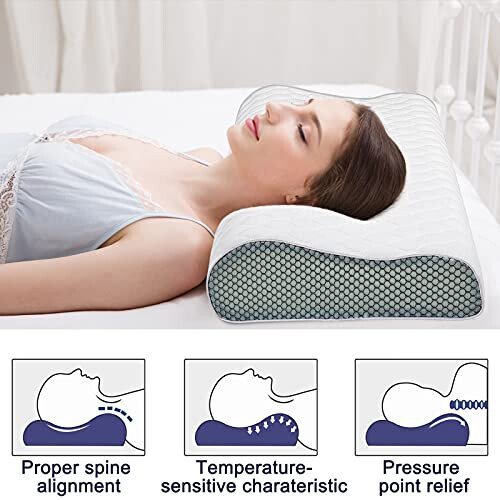
The single most important job of a pillow is to keep your head, neck, and spine in a straight, neutral line. When you lie down, your ears should align with your shoulders, and your chin should not be tucked down toward your chest or jutting upward.
- A pillow that is too high forces your neck into an unnatural upward curve.
- A pillow that is too low allows your head to bend downward, straining the neck muscles and spine.
The ideal pillow height, or loft, is a personal measurement that depends on your sleeping position, shoulder width, and the firmness of your mattress. A firm mattress, for example, allows less of your body to sink in, so you may need a higher pillow to fill the gap.
Step 1: Pick by Sleep Position
Your primary sleep position is the single most important factor in your pillow choice. Getting this right is the key to preventing pain and achieving proper alignment.
For Side Sleepers
You need a pillow with a medium to high loft to fill the gap created by your shoulder. A medium to firm feel will prevent your head from sinking too far and keep it elevated in line with your spine. For extra support, placing a thin, flat pillow between your knees can help align your hips and take pressure off your lower back.
For Back Sleepers
Look for a low to medium-loft pillow that gently cradles your head without pushing it forward. A medium firmness is often ideal, as it supports the natural curve of your neck while keeping your head level. Placing a small, soft bolster or rolled-up towel under your knees can also help relieve lower back tension by easing the arch in your spine.
For Stomach Sleepers
This position can put significant strain on your neck and spine, as it forces your head to turn to the side. To minimize this, you need a very low-loft, soft, and compressible pillow. In many cases, a very thin pillow or no pillow at all is the best option to avoid neck twist. A thin pillow placed under your hips can also help reduce the arch in your lower back.
For Combination Sleepers
If you change positions throughout the night, an adjustable medium-loft pillow with a responsive fill is your best bet. A pillow with a resilient fill will quickly spring back to shape as you move, allowing you to easily shift from your side to your back without feeling stuck or needing to readjust.
Step 2: Choose Your Fill and Feel
The material inside your pillow determines its feel, level of support, and temperature.
- Memory Foam: Known for its slow, contouring “hug” and excellent pressure relief. Ideal for side and back sleepers seeking consistent, firm support. Watch out: Traditional memory foam can retain heat. Look for versions with gel infusions or an open-cell structure for better airflow.
- Latex Foam: Offers a springy, lifted, and responsive feel. It’s naturally breathable, hypoallergenic, and exceptionally durable, making it a great choice for hot sleepers or those with allergies.
- Down: Provides a luxurious, plush, and moldable “cloud-like” feel. Best for stomach and back sleepers who prefer a very soft, low-loft pillow that can be easily flattened or fluffed.
- Down Alternative: A soft, affordable, and hypoallergenic alternative to down. It’s easy to care for and is a good, low-maintenance choice for those with allergies.
- Adjustable Shredded Foam or Latex: This gives you total control over loft and firmness by allowing you to add or remove the fill. It’s perfect for those who are unsure of their ideal height or for combination sleepers who want to customize their support.
- Buckwheat Hulls: A firm, supportive, and exceptionally breathable fill that holds its shape. It provides precise, contoured neck support, which is great for side sleepers. Note: It can have a slight rustling sound and feel very firm.
Step 3: Fine-Tuning Loft and Firmness
Once you have your sleep position and a preferred fill, it’s time to get the loft and firmness just right.
- Loft: Your ideal pillow height is a personal measurement. If you have broad shoulders or sleep on a very soft mattress, you’ll likely need a higher loft to fill the greater gap. If you’re on the petite side or have a very firm mattress, a lower loft is probably better.
- The Final Test: Lie down on your back and have someone check your head position. Your nose should be in a straight line with the center of your chest. For side sleepers, your spine should form a straight line from your head to your hips.
Beyond the Basics: Special Features and Types
Consider these specialized pillow designs for specific needs or health conditions.
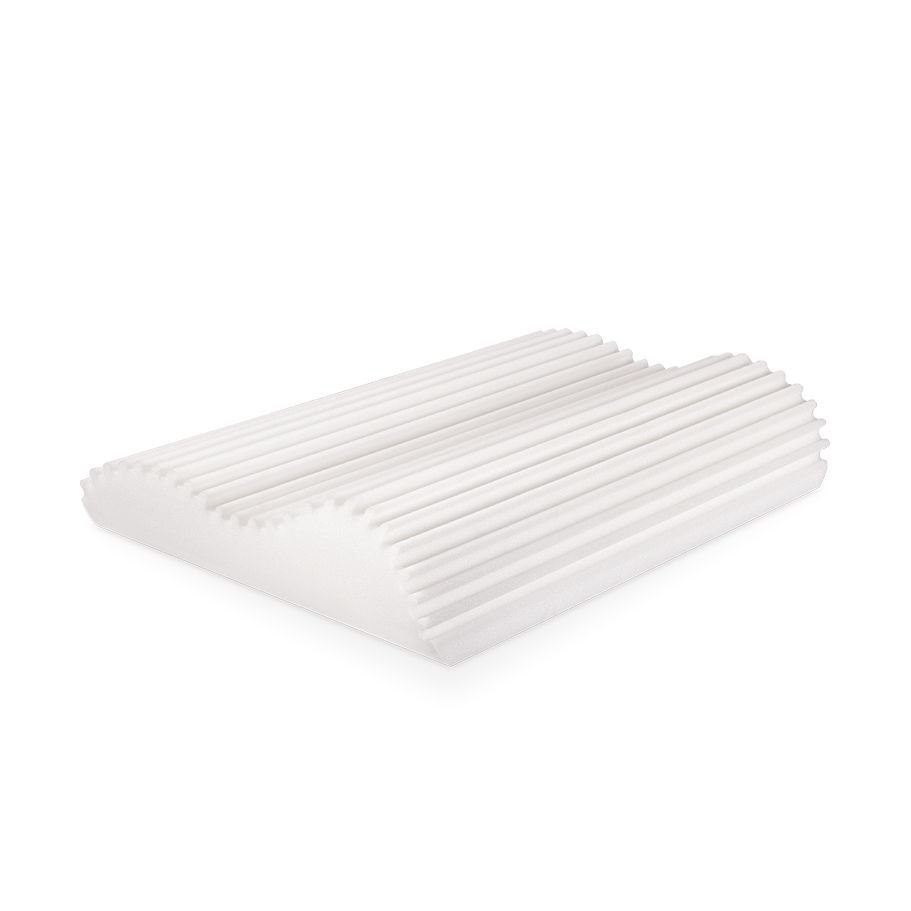
- Contour Pillows: Featuring a wave shape, these are designed to provide built-in neck support. They can be particularly effective for back and side sleepers dealing with chronic neck pain.
- Body Pillows: A full-length pillow perfect for side sleepers and expectant mothers. They can be hugged to help keep the hips, knees, and spine perfectly aligned.
- Wedge Pillows: These triangular pillows elevate the upper body, which can be useful for reducing snoring, managing sleep apnea symptoms, and alleviating acid reflux or GERD.
Final Thoughts: The One-Week Rule
When you get a new pillow, give your body at least seven nights to adjust. Minor stiffness or discomfort can be a normal part of getting used to a new level of support. The best pillow is one that supports a neutral spine and keeps you comfortable throughout the night. By considering your sleep position, matching the loft to your body and mattress, and choosing a fill that suits your preferences, you’ll be well on your way to better rest and a healthier morning.